Thoreau: 7 January 1852
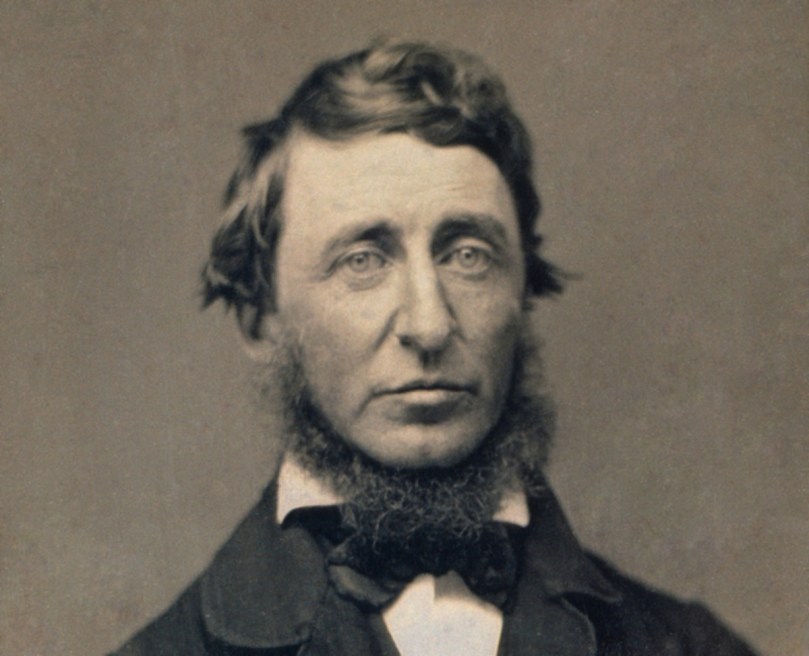
“It appears to me that at a very early age—the mind of man—perhaps at the same time with his body, ceases to be elastic. His intellectual power becomes something defined —& limited. He does not think as expansively as he would stretch himself in his growing days—What was flexible sap hardens into heartwood and there is no further change. In the season of youth methinks man is capable of intellectual effort 8c performance which surpasses all rules 8c bounds—As the youth lays out his whole strength without fear or prudence 8c does not feel his limits. It is the transition from poetry to prose. The young man can run 8c leap—he has not learned exactly how far—he knows no limits—The grown man does not exceed his daily labor. He has no strength to waste.
17 January 1852, Journal 4: 265-66
How Beauty Is Making Scientists Rethink Evolution

Now, nearly 150 years later, a new generation of biologists is reviving Darwin’s neglected brainchild. Beauty, they say, does not have to be a proxy for health or advantageous genes. Sometimes beauty is the glorious but meaningless flowering of arbitrary preference. Animals simply find certain features — a blush of red, a feathered flourish — to be appealing. And that innate sense of beauty itself can become an engine of evolution, pushing animals toward aesthetic extremes. In other cases, certain environmental or physiological constraints steer an animal toward an aesthetic preference that has nothing to do with survival whatsoever.
New York Times
Arborists Have Cloned Ancient Redwoods From Their Massive Stumps
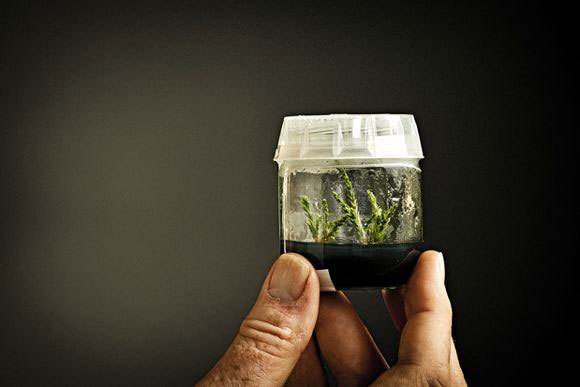
A team of arborists has successfully cloned and grown saplings from the stumps of some of the world’s oldest and largest coast redwoods, some of which were 3,000 years old and measured 35 feet in diameter when they were cut down in the 19thand 20th centuries. Earlier this month, 75 of the cloned saplings were planted at the Presidio national park in San Francisco.
The initiative is run by the Archangel Ancient Tree Archive, a nonprofit working to reestablish ancient redwood forests to help combat climate change. Coastal redwoods, which can grow an average 10 feet per year, sequester 250 tons of carbon dioxide from the atmosphere over their lives, compared to 1 ton for an average tree.
What are the natural features which make a township handsome?

What are the natural features which make a township handsome? A river, with its waterfalls and meadows, a lake, a hill, a cliff or individual rocks, a forest, and ancient trees standing singly. Such things are beautiful; they have a high use which dollars and cents never represent. If the inhabitants of a town were wise, they would seek to preserve these things, though at a considerable expense; for such things educate far more than any hired teachers or preachers, or any at present recognized system of school education.
Thoreau, 3 January 1861 Journal XIV: 304
One Man’s Retreat From Civilization into the Woods Of Vermont
(To The Best of Our Knowledge)
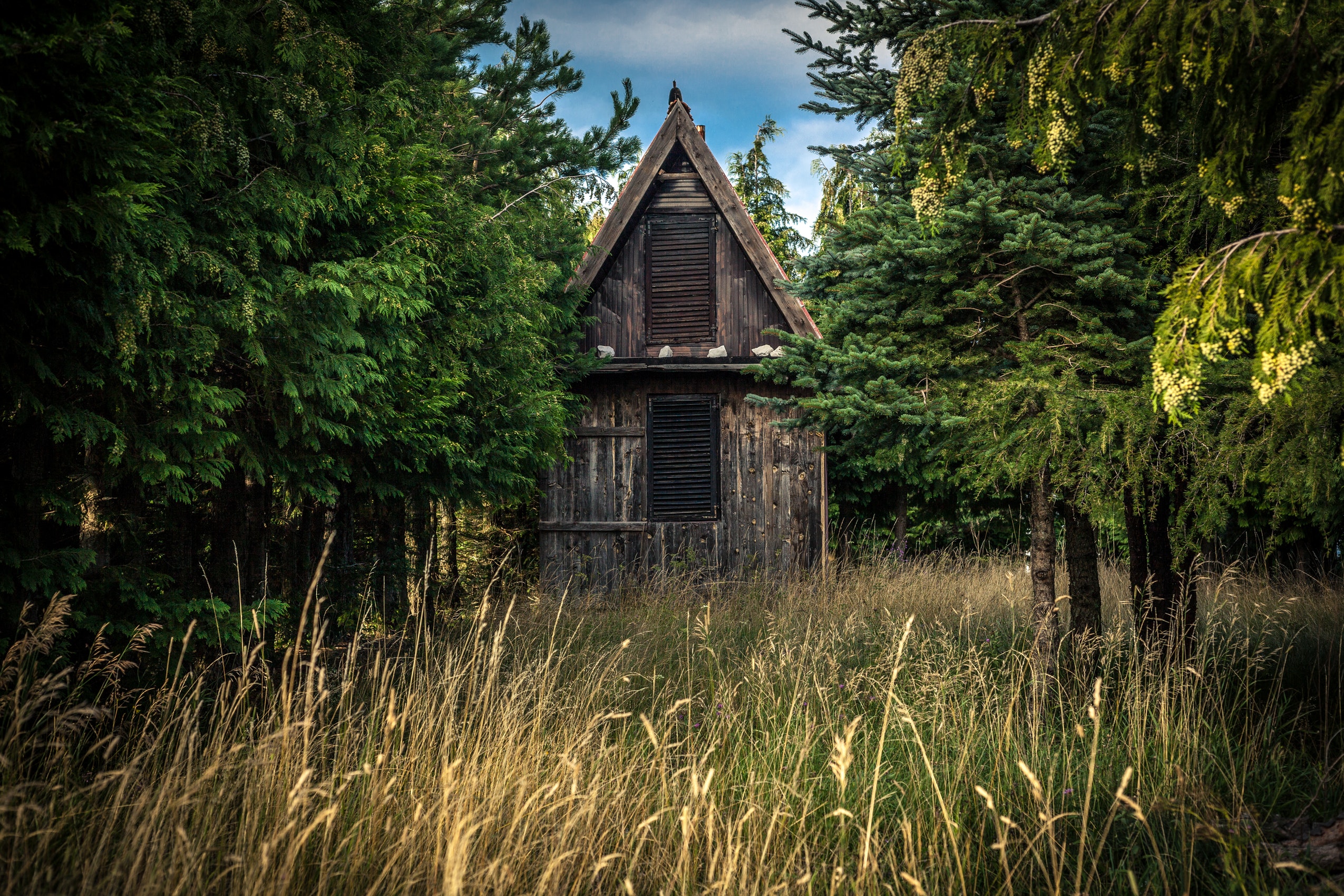
Howard Axelrod was accidentally blinded in one eye in a freak accident when he was in college. Disoriented and depressed, he retreated to an off-the-grid cabin in the Vermont wilderness. He stayed there, alone, for two years. His memoir about his period of renunciation, “The Point of Vanishing,” was named one of the top ten memoirs and a best book of the year.
What Is This Green New Deal Anyway?

So, what specifically is in Ocasio-Cortez’s Green New Deal?
The Sierra Club has some answers.
Thoreau at 200: Reflections on “Walden”
Mushroom Surfboards
I want one
E. O. Wilson on Thoreau
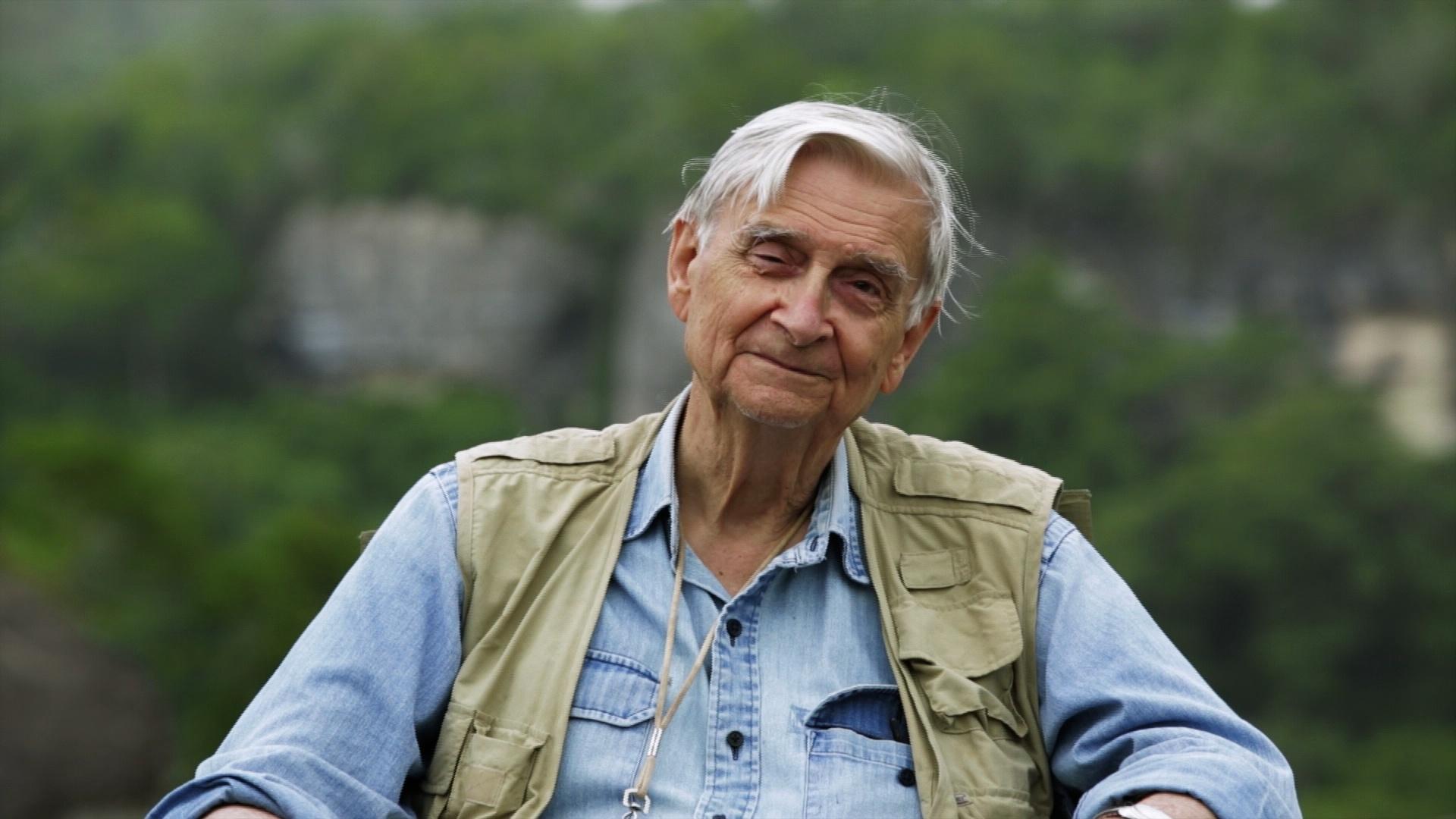
“Henry David Thoreau . . . was thought by many in his own time to be an eccentric who escaped from the mainstream of real life in order to dream. He was the opposite of that. He understood intuitively what we now know in more concrete and objective terms, that humanity is a biological species and thus exquisitely adapted to the natural world that cradled us. Thoreau was the scientific observer and lyrical expositor who hit upon the power of this conjunction between science and the humanities. He was the first great nature writer, whose knowledge of the living world, based on experience, was refined and projected as poetry. Nature writing, one of the major innovations of American literature, also includes in its pantheon John Muir, Aldo Leopold, and Rachel Carson. Together these writers say to us that humanity coevolved with the rest of life on this particular planet; other worlds are not in our genes. It is a delusion that people can flourish apart from the living world. We might do so physically, like animals in a feed lot, but not spiritually, not to the full extent for which our brains are designed.
People travel into nature in search of new life and wonder, and from nature they return to the parts of the earth that have been humanized and made physically secure. Nature, and especially that part saved as wilderness, settles peace on the soul because it needs no help; it is beyond human contrivance. It is also a metaphor of unlimited opportunity, rising from the tribal memory of a time in which humanity spread across the world, valley to valley, island to island, godstruck, firm in the belief that virgin land went on forever beyond the horizon. That is very much an American dream, and one we will be wise to keep alive by the preservation of our wild heritage.
Excerpt From “Material Faith.” 1999
 Dean’s List