
WALDEN CANDLE / $50
Did they read the book?

All enterprises must be self-supporting, must pay for themselves. The great art of life is how to turn the surplus life of the soul into life for the body — that so the life not be a failure. For instance, a poet must sustain his body with his poetry. As is said of the merchants, in ninety-nine cases out of a hundred the life of men is a failure, and bankruptcy may be surely prophesied. You must get your living by loving.
—Journal, March 13, 1853
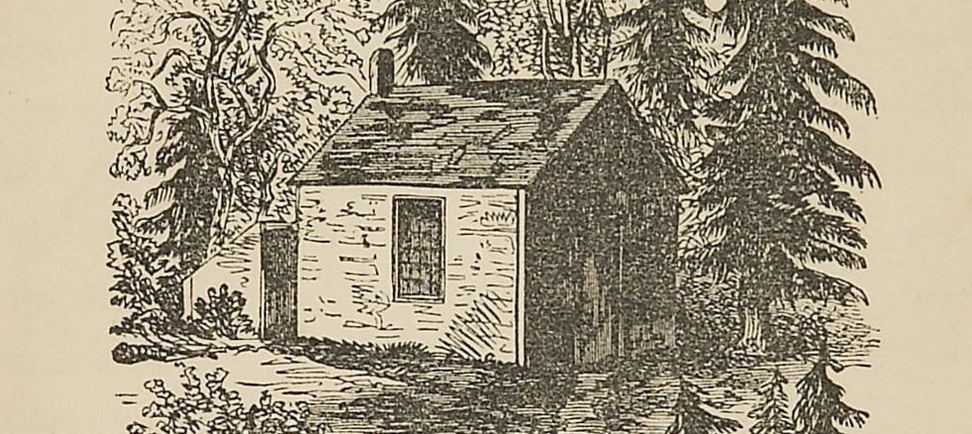
It is worth the while to have lived a primitive wilderness life at some time, to know what are, after all, the necessaries of life and what methods society has taken to supply them. I have looked over the old day-books of the merchants with the same view, – to see what it was shopmen bought. They are the grossest groceries. Salt is perhaps the most important article in such a list, and most commonly bought at the stores, of articles commonly thought to be necessaries, – salt, sugar, molasses, cloth, etc., – by the farmer. You will see why stores or shops exist, not to furnish tea and coffee, but salt, etc. Here’s the rub, then.
I see how I could supply myself with every other article which I need, without using the shops, and to obtain this might be the fit occasion for a visit to the seashore. Yet even salt cannot strictly speaking be called a necessary of human life, since many tribes do not use it.

UC Berkeley synthetic biologists have engineered brewer’s yeast to produce marijuana’s main ingredients—mind-altering THC and non-psychoactive CBD—as well as novel cannabinoids not found in the plant itself.
Berkley College of Chemistry
Feeding only on sugar, the yeast are an easy and cheap way to produce pure cannabinoids that today are costly to extract from the buds of the marijuana plant, Cannabis sativa.
Might be time to sell those pot stocks people 😉
Beck is one of the leading advocates for adaptive climbing in the United States. She believes we have not yet seen how far adaptive climbers can take the sport. “I don’t know what the real limit is,” she says.
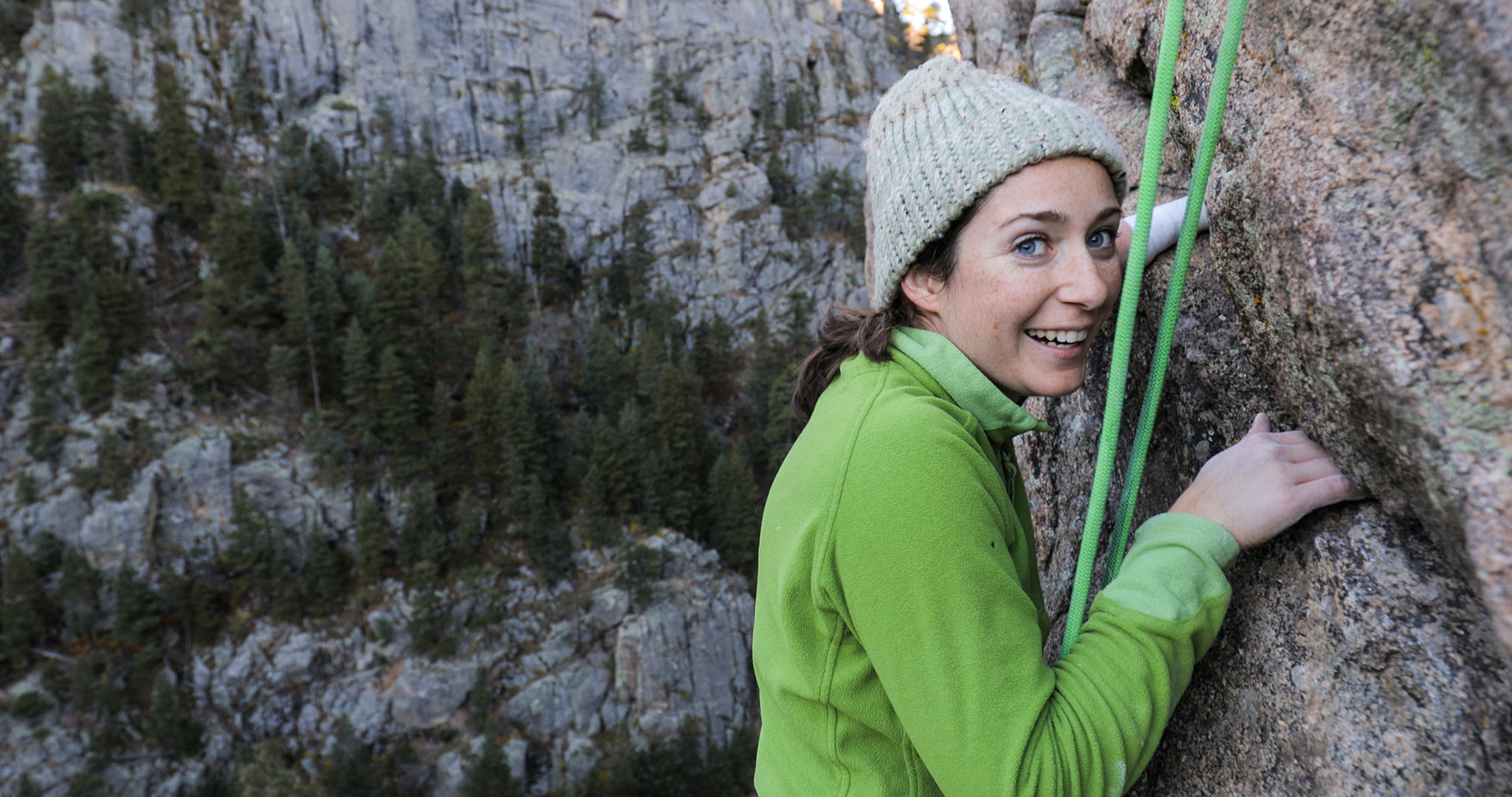
I bow to you Maureen Beck! “Adaptive climbing; Shmadaptive climbing.” You “out climb” me in every way. I get nervous climbing too high in trees. I’m OK with that. Sending you an awesome sized big hug. Yes, a hug that would elicit both wonder and terror–not unlike climbing a sheer thousand-foot cliff. I hope you find no limits!
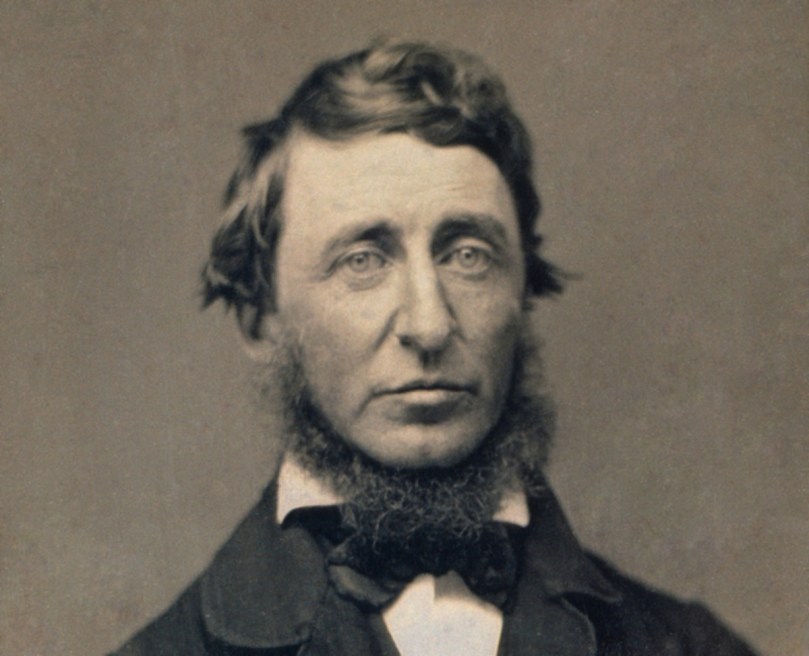
To Carlisle, surveying.
I had two friends. The one offered me friendship on such terms that I could not accept it, without a sense of degradation. He would not meet me on equal terms, but only be to some extent my patron. He would not come to see me, but was hurt if I did not visit him. He would not readily accept a favor, but would gladly confer one. He treated me with ceremony occasionally, though he could be simple and downright sometimes; and from time to time acted a part, treating me as if I were a distinguished stranger; was on stilts, using made words. Our relation was one long tragedy, yet I did not directly speak of it. I do not believe in complaint, nor in explanation. The whole is but too plain, alas, already. We grieve that we do not love each other, that we cannot confide in each other. I could not bring myself to speak, and so recognize an obstacle to our affection.
I had another friend, who, through a slight obtuseness, perchance, did not recognize a fact which the dignity of friendship would by no means allow me to descend so far as to speak of, and yet the inevitable effect of that ignorance was to hold us apart forever.
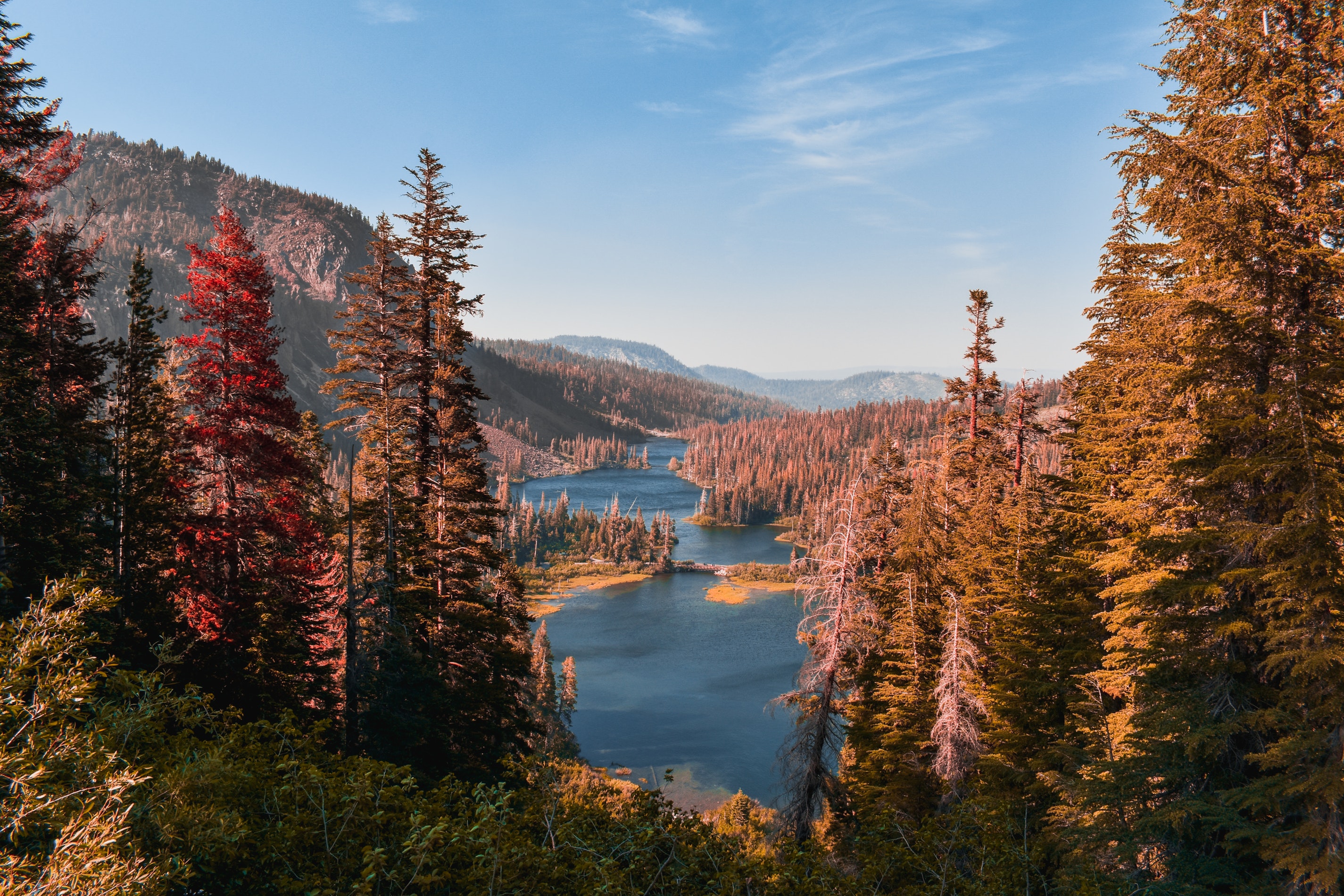
The House passage of the bill, on a vote of 363-62, sends the measure, which was passed by the Senate this month, to the desk of President Trump. The vote Tuesday offered a rare moment of bipartisanship in a divided chamber and a rare victory for environmentalists at a time when the Trump administration is working aggressively to strip away protections on public lands and open them to mining and drilling.
Nonetheless, Mr. Trump was expected to sign the bill into law. But the one million acres of wilderness that would be protected by the bill stand in contrast to the administration’s plans to open up for drilling nine million acres of protected habitat for the sage grouse, two million acres of protected land in Utah, parts of the vast Arctic National Wildlife Refuge in Alaska and most United States coastal waters.
New York Times
The bold print speaks for itself.

When I have entered the wooded hollow on the east of the Deep Cut, it is novel and pleasant to hear the sound of the dry leaves and twigs, which have so long been damp and silent, more worn and lighter than ever, crackling again under my feet, – though there is still considerable snow about, along wall-sides, etc., – and to see the holes and galleries recently made by the mice (?) in the fine withered grass of such places, the upper aralia hollow there. I see the peculiar softened blue sky of spring over the tops of the pines, and, when I am sheltered from the wind, I feel the warmer sun of the season reflected from the withered grass and twigs on the side of this elevated hollow.
A warmth begins to be reflected from the partially dried ground here and there in the sun in sheltered places, very cheering to invalids who have weak lungs, who think they may weather it till summer now. Nature is more genial to them. When the leaves on the forest floor are dried, and begin to rustle under such a sun and wind as these, the news is told to how many myriads of grubs that underlie them! When I perceive this dryness under my feet, I feel as if I had got a new sense, or rather I realize what was incredible to me before, that there is a new life in Nature beginning to awake, that her halls are being swept and prepared for a new occupant. It is whispered through all the aisles of the forest that another spring is approaching. The wood mouse listens at the mouth of his burrow, and the chickadee passes the news along.
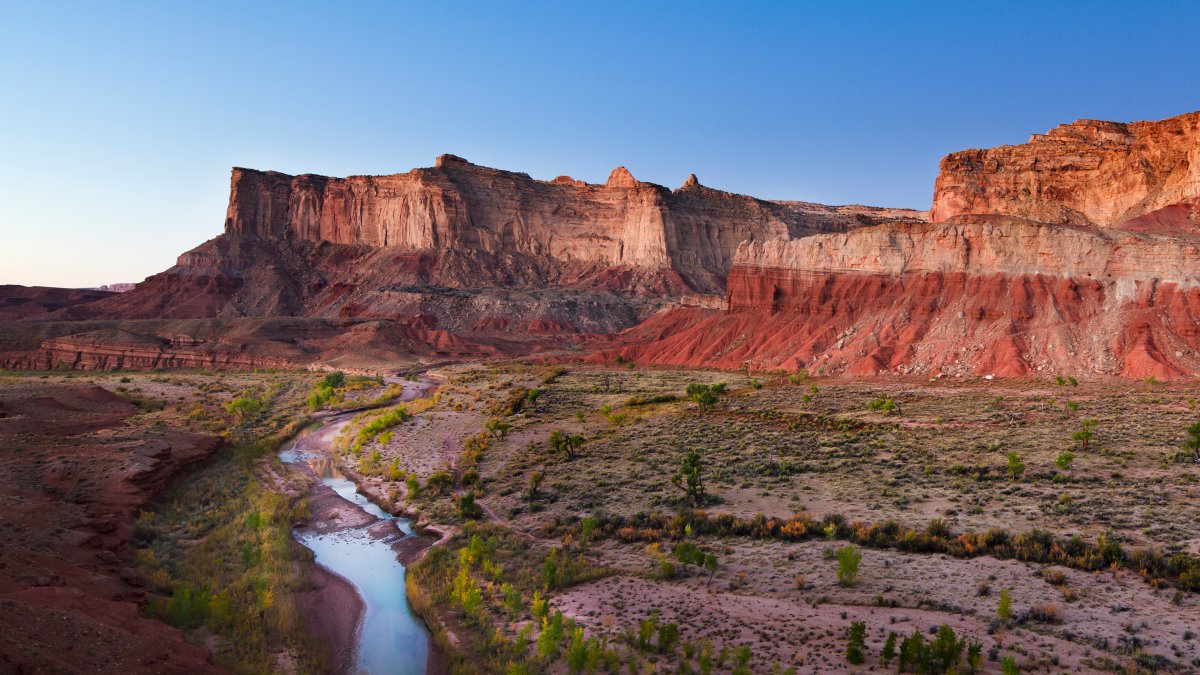
The 662-page bill is a conglomeration of some 100 pieces of legislation. Though it was largely championed by western lawmakers like senators Lisa Murkowski of Alaska and Ron Wyden of Oregon, the bill does provide conservation benefits for every state through the LWCF, which helps federal agencies, states, and local communities purchase land for parks and access to open spaces. That’s why experts believe it has been the rare issue with bipartisan agreement during the Trump administration. As with all large congressional bills, however, the National Resources Management Act is an act of compromise that leaves some wary of its effects.
 Dean’s List