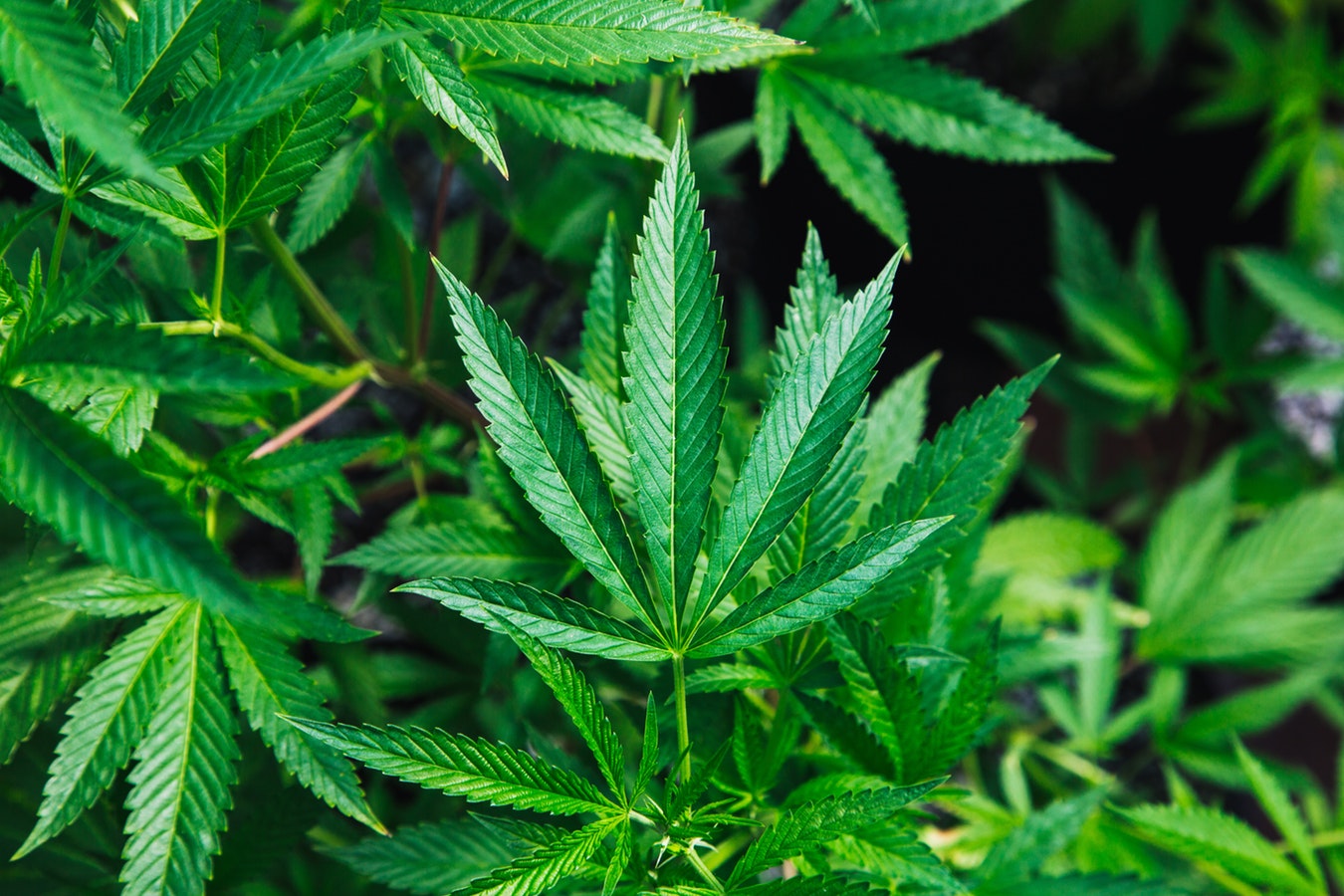
The DEA insists it supports medical marijuana research, but it has resisted calls to reclassify the plant so it’s not lumped in with addictive drugs like heroin and ecstasy. When the DEA did in 2016 take steps to expand the supply for scientists, then-Attorney General Jeff Sessions withheld final approval. Several bipartisan bills aimed at expanding research were introduced in the outgoing Congress, but none made it through.
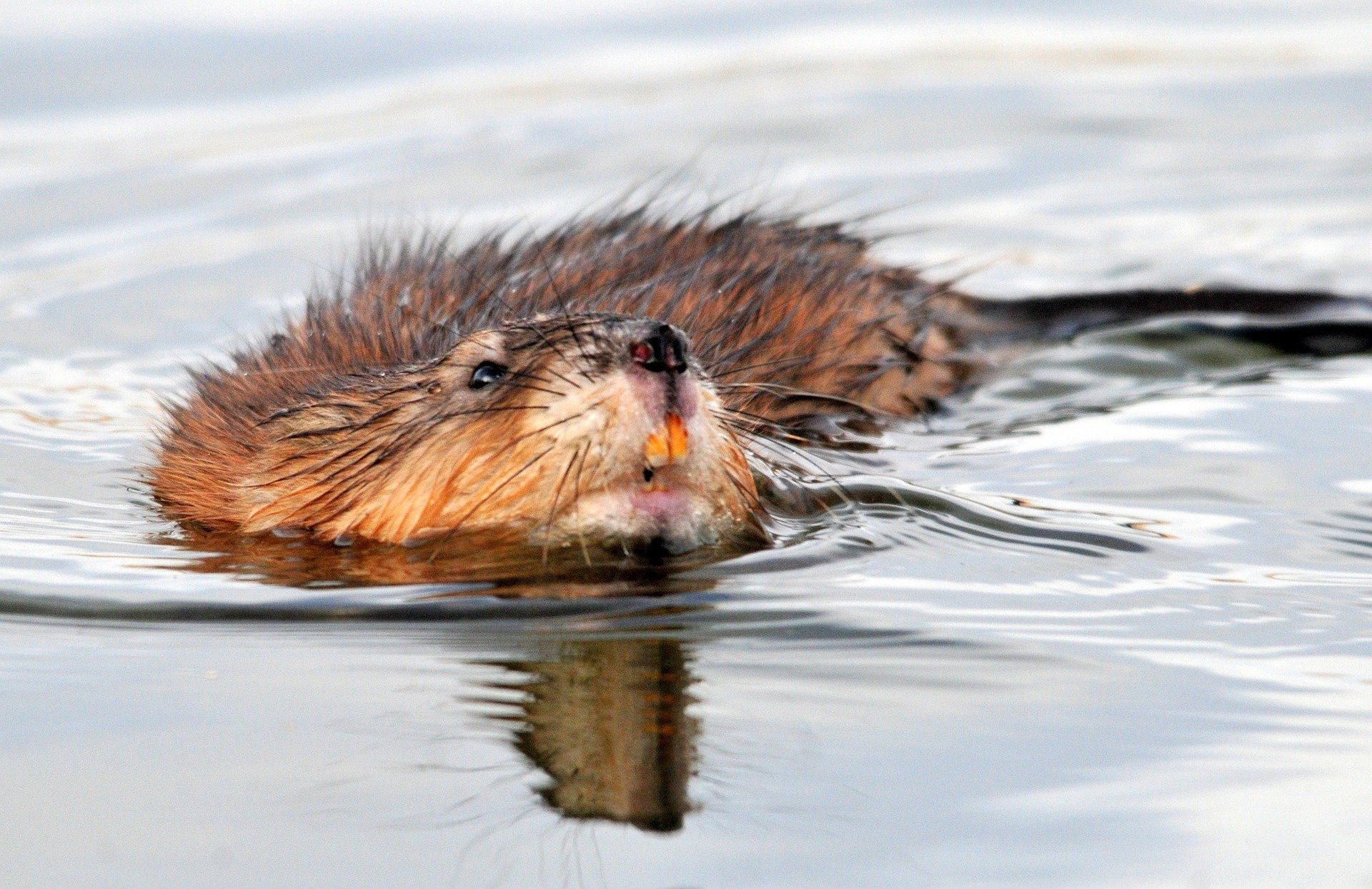
Near the island I saw a muskrat close by swimming in an open reach. He was always headed up-stream, a great proportion of the head out of water, and his whole length visible, though the root of the tail is about level with the water. Now and then he [stopped] swimming and floated down-stream, still keeping his head pointed up with his tail. It is surprising how dry he looks, as if that back was never immersed in the water.
My first true winter walk is perhaps that which I take on the river, or where I cannot go in the summer. It is the walk peculiar to winter, and now first I take it. I see that the fox too has already taken the same walk before me, just along the edge of the button-bushes, where not even he can go in the summer. We both turn our steps hither at the same time.
There is now, at 2:30 P. M., the melon-rind arrangement of the clouds. Really parallel columns of fine mackerel sky, reaching quite across the heavens from west to east, with clear intervals of blue sky, and a fine-grained vapor like spun glass extending in the same direction beneath the former. In half an hour all this mackerel sky is gone.
What an ever-changing scene is the sky with its drifting cirrhus and stratus! The spectators are not requested to take a recess of fifteen minutes while the scene changes, but, walking commonly with our faces to the earth, our thoughts revert to other objects, and as often as we look up the scene has changed. Now, I see, it is a column of white vapor reaching quite across the sky, from west to east, with locks of fine hair, or tow that is carded, combed out on each side, – surprising touches here and there, which show a peculiar state of the atmosphere. No doubt the best weather-signs are in these forms which the vapor takes. When I next look up, the locks of hair are perfect fir trees with their recurved branches. (These trees extend at right angles from the side of the main column.) This appearance is changed all over the sky in one minute. Again it is pieces of asbestos, or the vapor takes the curved form of the surf or breakers, and again of flames.
But how long can a man be in a mood to watch the heavens? That melon-rind arrangement, so very common, is perhaps a confirmation of Wise the balloonist’s statement that at a certain height there is a current of air moving from west to east. Hence we so commonly see the clouds arranged in parallel columns in that direction.
This fall semester, Princeton University offered admission to 13 transfer students, the first transfer admissions in nearly three decades. In reinstating the school’s transfer program, they wanted to encourage applicants from low-income families, the military and from community colleges.
Princeton! Welcome to the club Princeton. I believe that now all the Ivy’s are accepting “transfer students.” A.K.A. Students with A.A.’s from a community college. This is what Democracy looks like 😉
“The greatest delight which the fields and woods minister, is the suggestion of an occult relation between man and the vegetable. I am not alone and unacknowledged. They nod to me, and I to them. The waving of the boughs in the storm, is new to me and old. It takes me by surprise, and yet is not unknown. Its effect is like that of a higher thought or a better emotion coming over me, when I deemed I was thinking justly or doing right.”
Teasing sounds apart in an underwater habitat is like trying to listen for the crackle of a single street light in the middle of Times Square. So when scientists thought they heard the sound of algae on a coral reef, their hunch was met with some skepticism. How could something seemingly so sedentary ring out over some of the ocean’s chattiest (and most flatulent) inhabitants, sloshing waves, and noisy humans? With bubbles, it turns out. Like the plants that help us breathe, algae also photosynthesize. Underwater, that process of converting sunlight and carbon dioxide into energy and oxygen sends tiny bubbles spiraling toward the surface. And according to new research, when each bubble detaches from the seaweed, it goes ping. The scientists behind the discovery suggest that, like a heartbeat heard through a stethoscope, measuring that unique sound could be a new way to monitor the health of a coral reef.
In his final State of the Art column, Farhad Manjoo reflects on the industry’s changes and presents a new guide for navigating the future of technology.


 Dean’s List