Thoreau, February 12, 1860


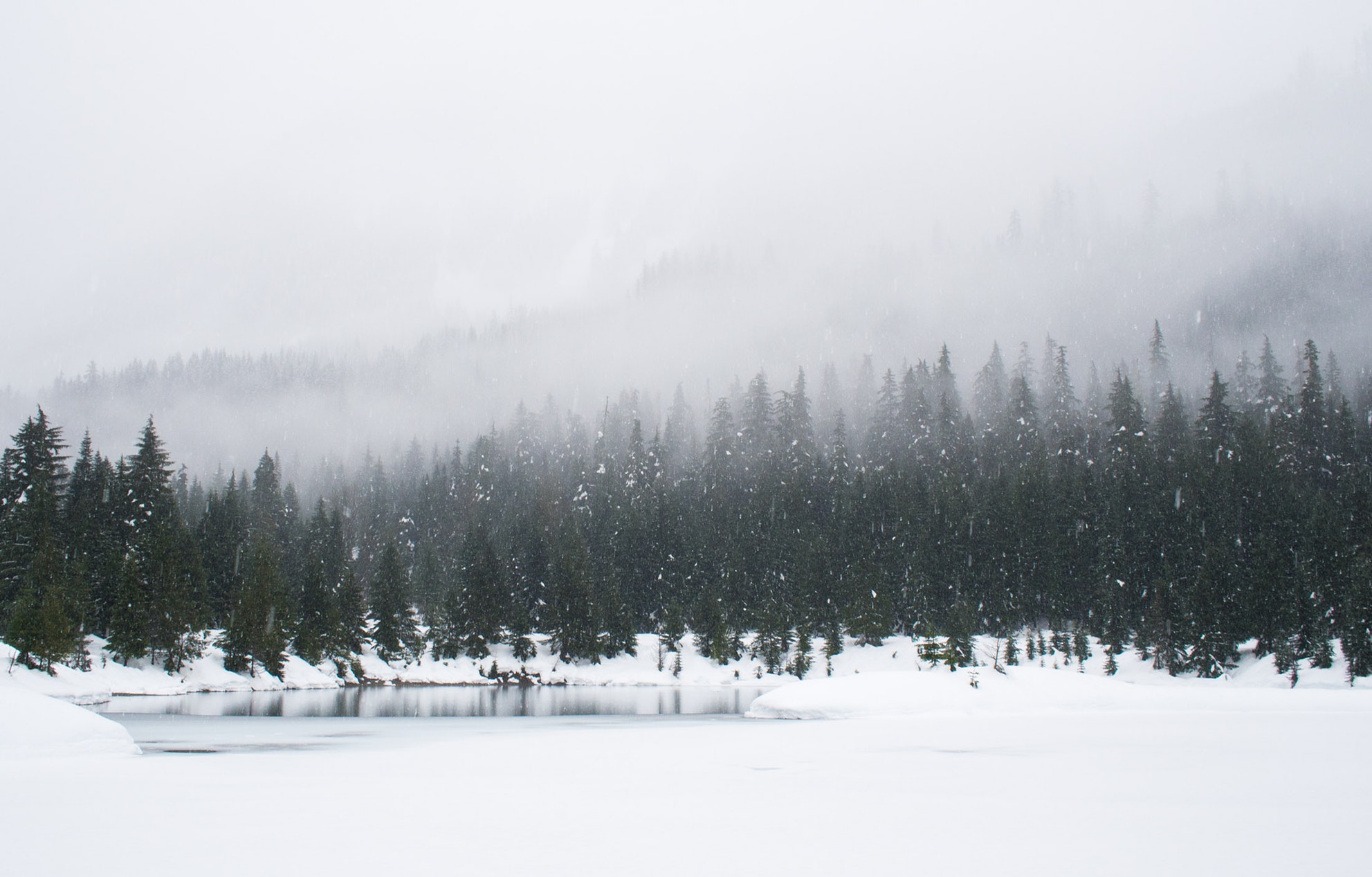
I walk over a smooth green sea, or aequor, the sun just disappearing in the cloudless horizon, amid thousands of these flat isles as purple as the petals of a flower. It would not be more enchanting to walk amid the purple clouds of the sunset sky. And, by the way, this is but a sunset sky under our feet, produced by the same law, the same slanting rays and twilight. Here the clouds are these patches of snow or frozen vapor, and the ice is the greenish sky between them. Thus all of heaven is realized on earth. You have seen those purple fortunate isles in the sunset heavens, and that green and amber sky between them. Would you believe that you could ever walk amid those isles? You can on many a winter evening. I have done so a hundred times. The ice is a solid crystalline sky under our feet. 

Whatever aid is to be derived from the use of a scientific term, we can never begin to see anything as it is so long as we remember the scientific term which always our ignorance has imposed on it. Natural objects and phenomena are in this sense forever wild and unnamed by us.

The Senate just passed the decade’s biggest public lands package. Here’s what’s in it.

Washington Post

The bill, which the Congressional Budget Office projects would save taxpayers $9 million, enjoys broad support in the House. The lower chamber is poised to take it up after the mid-February recess, and White House officials have indicated privately that the president will sign it.
The measure protects 1.3 million acres as wilderness, the nation’s most stringent protection, which prohibits even roads and motorized vehicles. It permanently withdraws more than 370,000 acres of land from mining around two national parks, including Yellowstone, and permanently authorizes a program to spend offshore-drilling revenue on conservation efforts.

This is even more amazing then Mitch McConnell’s efforts to legalize hemp.

Thoreau, February 2, 1854

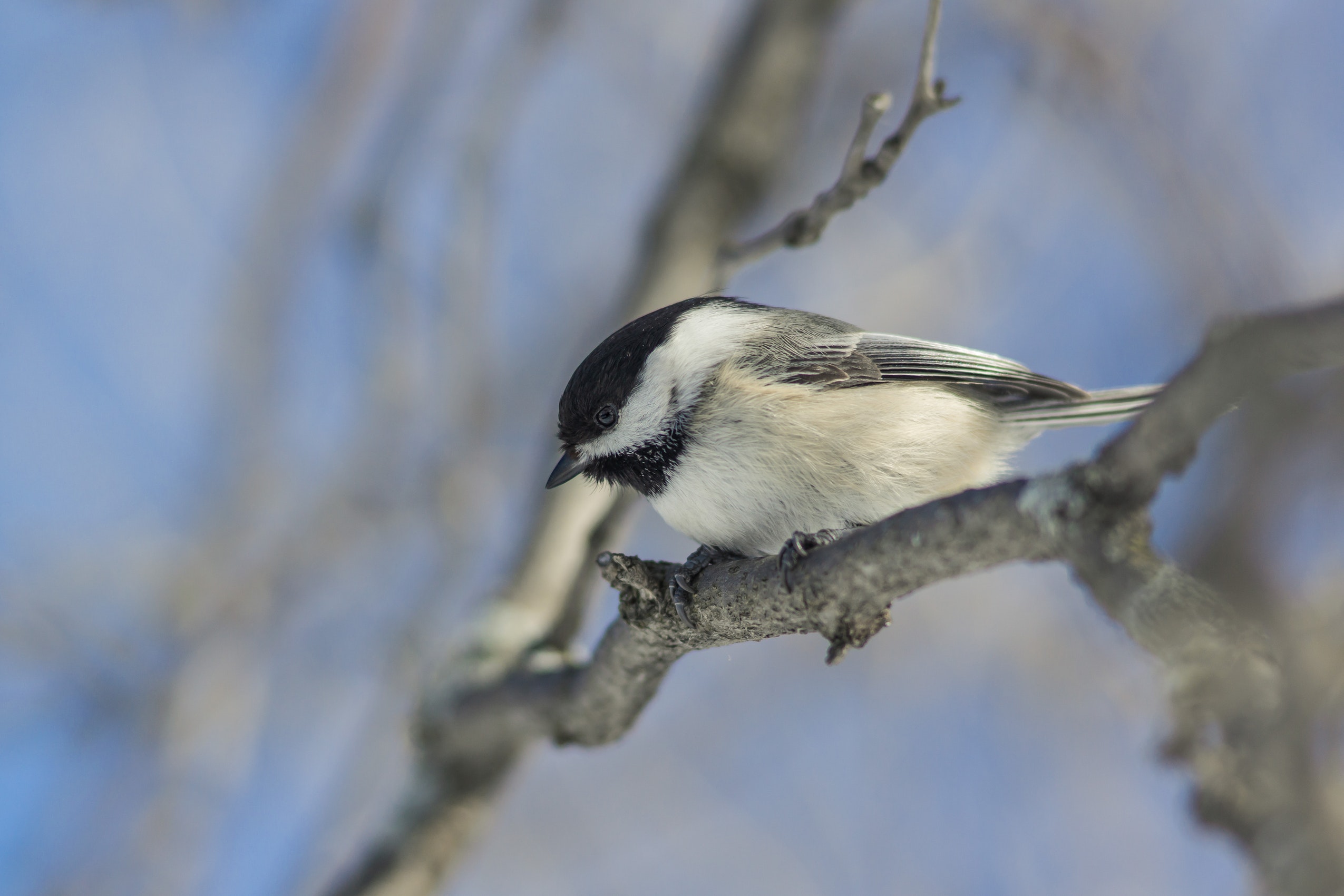
The scream of the jay is a true winter sound. It is wholly without sentiment, and in harmony with winter. I stole up within five or six feet of a pitch pine behind which a downy woodpecker was pecking. From time to time he hopped round to the side and observed me without fear. They are very confident birds, not easily scared, but incline to keep the other side of the bough to you, perhaps.

Thoreau, February 1, 1857

3 P. M. – Down railroad.
Thermometer at 42 degrees. Warm as it is, I see a large flock of snow buntings on the railroad causeway. Their wings are white above next the body, but black or dark beyond and on the back. This produces that regular black and white effect when they fly past you. 
A laborer on the railroad tells me it is Candlemas Day (February 2d) to-morrow and the winter half out. “Half your wood and half your hay,” etc., etc.; and, as that day is, so will be the rest of winter.

The zero-waste movement is coming for your garbage

It’s no coincidence that the popularity of zero-waste lifestyles happens to coincide with mounting evidence that climate change will be the defining event of this century. We’ve also only just begun to seriously research the effect of the staggering amount of plastic in our oceans — the first comprehensive count of it by Science just three years ago reported anywhere between 4.7 and 12.8 million metric tons of ocean plastic. Plastic, in modern life, is nearly inescapable — simply washing our clothing, about 60 percent of which is now made of synthetic plastic fibers — releases hundreds of thousands of fibers into the water supply. Waste on dry land isn’t any better: The Environmental Protection Agency estimates that 23 percent of landfill waste comes from packaging and containers.

Vox

First, they came for the styrofoam, and I did not speak out—because man oh man I hate styrofoam.

Thoreau, January 24, 1855

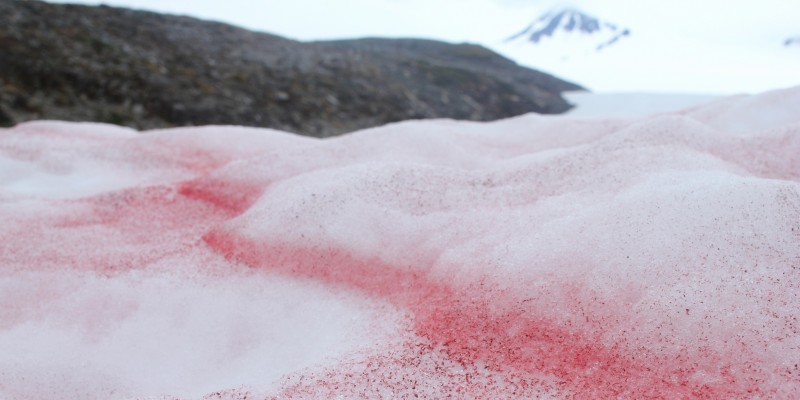
I was surprised to find the ice in the middle of the last pond a beautiful delicate rose-color for two or three rods, deeper in spots. It reminded me of red snow, and may be the same. I tried to think it the blood of wounded muskrats, but it could not be. It extended several inches into the ice, at least, and had been spread by the flowing water recently. As for vegetable pigments, there were button-bushes in and about it. It was this delicate rose tint, with internal bluish tinges like mother-o/-pearl or the inside of a conch. It was quite conspicuous fifteen rods off, and the color of spring-cranberry juice. This beautiful blushing ice! What are we coming to?

Thoreau, (main journal) January 24, 1855

Bison are back, and that benefits many other species on the Great Plains

Studies . . . have shown that bison-induced changes in vegetation composition and quality grazing can increase the abundance and diversity of birds and insects in tallgrass prairies. Bison also affect their environment by wallowing – rolling on the ground repeatedly to avoid biting insects and shed loose fur. This creates long-lasting depressions that further enhance plant and insect diversity, because they are good habitats for plant and animal species that are not found in open areas of the prairie. In contrast, cattle do not wallow, so they do not provide these benefits.

The Conversation