Thoreau, May 6, 1854

“There is no such thing as pure objective observation. Your observation, to be interesting, i.e. to be significant, must be subjective. The sum of what the writer of whatever class has to report is simply some human experience…. The man of most science is the man most alive. (May 6, 1854)”

Thoreau, April 15, 1858

The naturalist accomplishes a great deal by patience, more perhaps than by activity. He must take his position, and then wait and watch. It is equally true of quadrupeds and reptiles. Sit still in the midst of their haunts. 

Thoreau, April 15, 1851

I wish my townsmen to consider that, whatever the human law may be, neither an individual nor a nation can ever deliberately commit the least act of injustice without having to pay the penalty for it. A government which deliberately enacts injustice, and persists in it! – it will become the laughing-stock of the world.

How the Natural Resources Management Act Passed

Outside

The 662-page bill is a conglomeration of some 100 pieces of legislation. Though it was largely championed by western lawmakers like senators Lisa Murkowski of Alaska and Ron Wyden of Oregon, the bill does provide conservation benefits for every state through the LWCF, which helps federal agencies, states, and local communities purchase land for parks and access to open spaces. That’s why experts believe it has been the rare issue with bipartisan agreement during the Trump administration. As with all large congressional bills, however, the National Resources Management Act is an act of compromise that leaves some wary of its effects.

Thoreau, February 2, 1854

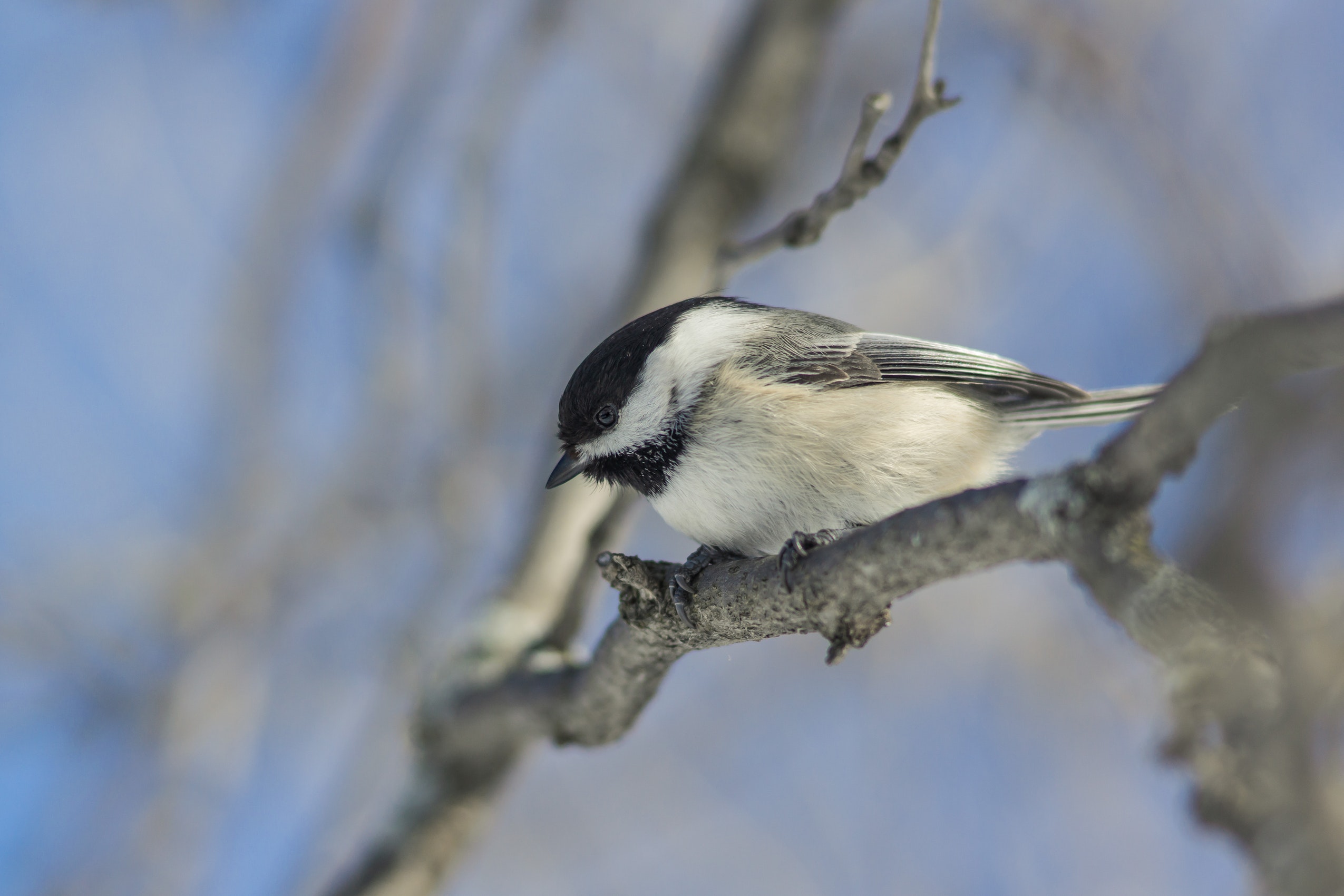
The scream of the jay is a true winter sound. It is wholly without sentiment, and in harmony with winter. I stole up within five or six feet of a pitch pine behind which a downy woodpecker was pecking. From time to time he hopped round to the side and observed me without fear. They are very confident birds, not easily scared, but incline to keep the other side of the bough to you, perhaps.

Bison are back, and that benefits many other species on the Great Plains

Studies . . . have shown that bison-induced changes in vegetation composition and quality grazing can increase the abundance and diversity of birds and insects in tallgrass prairies. Bison also affect their environment by wallowing – rolling on the ground repeatedly to avoid biting insects and shed loose fur. This creates long-lasting depressions that further enhance plant and insect diversity, because they are good habitats for plant and animal species that are not found in open areas of the prairie. In contrast, cattle do not wallow, so they do not provide these benefits.

The Conversation

The Greatest Delight

“The greatest delight which the fields and woods minister, is the suggestion of an occult relation between man and the vegetable. I am not alone and unacknowledged. They nod to me, and I to them. The waving of the boughs in the storm, is new to me and old. It takes me by surprise, and yet is not unknown. Its effect is like that of a higher thought or a better emotion coming over me, when I deemed I was thinking justly or doing right.”

Emerson, Nature

From Civil Disobedience

“Take long walks in stormy weather or through deep snows in the fields and woods, if you would keep your spirits up. Deal with brute nature. Be cold and hungry and weary.”

Thoreau, On the Duty of Civil Disobedience