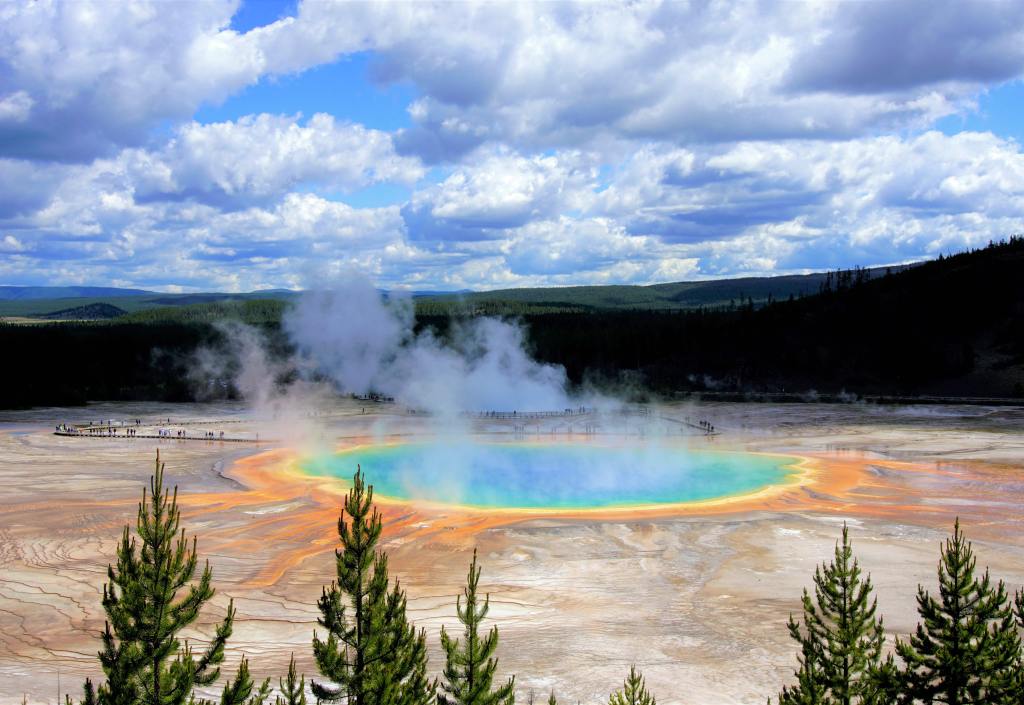
To mark its 150th anniversary, America’s first national park plans to use 2022 to address past wrongdoing and work toward a more inclusive future (Outside)
To mark its 150th anniversary, America’s first national park plans to use 2022 to address past wrongdoing and work toward a more inclusive future (Outside)
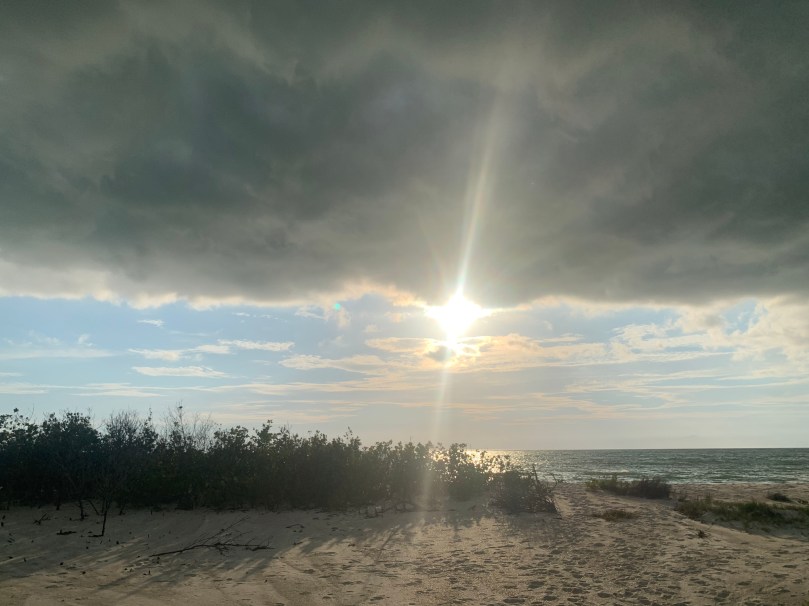
Unchecked climate change has already changed Florida permanently and irreversibly—and the world has a limited window to stop it from getting worse, according to a new global report from the world’s top scientists. (phys.org)

Joyce’s great novel, 100 years later, warns us off nationalism and idolatry, brings us together in life and death. Chris Hedges (Salon)

Facing pressure from parents and threats of criminal charges, some districts have ignored policies meant to prevent censorship. Librarians and students are pushing back. (NBC News)
BEFORE SPICE DAO dropped $3 million on a rare copy of Alejandro Jodorowsky’s production book for Dune at Christie’s, the group tweeted its intention to “tokenize” the book.
It can’t do that. (Wired)
Can You Think Yourself Young?
I think I can. I think I can. I think . . .

Doug Anderson, my first and most beloved philosophy teacher . . . told me that “Self-Reliance” was never to be read by itself, that Emerson had written a sister essay called “Compensation.” He suggested that I read the two in tandem. I did, but it didn’t make sense to me. The two seemed diametrically opposed. In short, “Compensation” argues that no matter how hard you work, no matter how desperately you strive to free yourself from natural or societal constraints, you’ll inevitably fail. Or at least eventually need a break. For the Emerson of “Compensation,” brazen self-assertion was, at best, counterproductive because it failed to recognize something basic about human nature—namely, that it was part of, rather than apart from, the workings of nature. Self-reliance, properly understood, was always situated, ever so carefully, in a wider cosmic order. “Human labor, through all its forms, from the sharpening of a stake to the construction of a city or an epic, is one immense illustration of the perfect compensation of the universe. The absolute balance of Give and Take.
— John Kaag. American Philosophy

 Dean’s List