NORTH CAROLINA CHOSE TO IGNORE ITS DANGEROUS SEA LEVELS YEARS BEFORE HURRICANE FLORENCE HIT

(Huffington Post)

In 2012, North Carolina legislators passed a bill that barred policymakers and developers from using up-to-date climate science to plan for rising sea levels on the state’s coast. Now Hurricane Florence threatens to cause a devastating storm surge that could put thousands of lives in danger and cost the state billions of dollars worth of damage.

The hurricane, which is expected to make landfall on Friday, is shaping up to be one of the worst storms to hit the East Coast. Residents of North Carolina’s Outer Banks and mainland coasts have already been ordered to evacuate. President Donald Trump declared a state of emergency in both North and South Carolina, and a Federal Emergency Management Agency administrator said that the Category 4 hurricane will likely cause “massive damage to our country.”

And the rise in sea levels, experts say, is making the storm surge worse.

Huh.

The Oracle of Oyster River

(Hakai Magazine)

The old logging road near the Oyster River was made to haul away timber when the land was logged back in 1931. Today, it is surrounded by rainforest towering up to 38 meters high. The hermit-priest still at work here is older than all of these trees. Recently, Brandt enlisted the help of the Comox Valley Land Trust to help him save this forest as a place where people can come to commune with the natural world. He has also established the Hermitage Advisory Committee to ensure that Merton House remains a refuge for another hermit, contemplatives from other religious traditions, writers, naturalists, or others in need of solitude for their work.

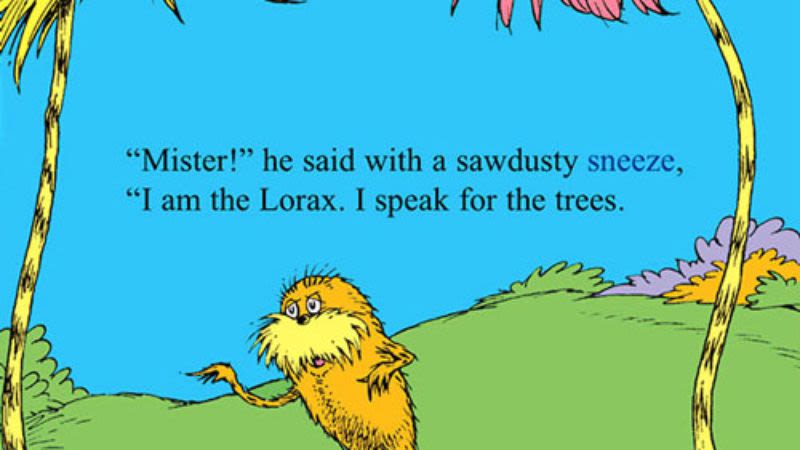
This guy puts the “Awe” in “Awesome!”

Rewilding the American Child​​

(Outside)

Unknown.jpeg

Children are much more likely to enjoy outdoor activities—and stick with them—if they start out at the right moment in their physical and cognitive development.

This months Outside contains more than a dozen articles about”Rewilding the American Child” but that is not what this site is about. It’s about cataloging and sharing good resources. It’s definitely not about click​ bate. I have not read through all of these articles yet. As I do I will be adding links below. My addition of a link only means I have read it and it has something​ to offer to my larger project. ALL of the articles are available​ here.

How America’s ‘most reckless’ billionaire created the fracking boom

(The Guardian​)

You can make an argument that the Federal Reserve is entirely responsible for
the fracking boom,” one private-equity titan told me. That view is echoed by Amir Azar, a fellow at Columbia University’s Center on Global Energy Policy. “The real catalyst of the shale revolution was the 2008 financial crisis and the era of unprecedentedly low interest rates it ushered in,” he wrote in a recent report. Another investor put it this way: “If companies were forced to live within the cash flow they produce, US oil would not be a factor in the rest of the world, and would have grown at a quarter to half the rate that it has.”

Worries about the financial fragility of the fracking revolution have simmered for some time. John Hempton, who runs the Australia-based hedge fund Bronte Capital, recalls having debates with his partner as the boom was just getting going. “The oil and gas are real,” his partner would say. “Yes,” Hempton would respond, “but the economics don’t work.”

Oh, what could possibly go wrong here?

If you want to save the world, veganism isn’t the answer

(The Guardian​)

Veganism has rocketed in the UK over the past couple of years – from an estimated half a million people in 2016 to more than 3.5 million – 5% of our population – today. Influential documentaries such as Cowspiracy and What the Health have thrown a spotlight on the intensive meat and dairy industry, exposing the impacts on animal and human health and the wider environment.

But calls for us all to switch entirely to plant-based foods ignore one of the most powerful tools we have to mitigate these ills: grazing and browsing animals.

Rather than being seduced by exhortations to eat more products made from industrially grown soya, maize and grains, we should be encouraging sustainable forms of meat and dairy production based on traditional rotational systems, permanent pasture and conservation grazing. We should, at the very least, question the ethics of driving up demand for crops that require high inputs of fertiliser, fungicides, pesticides and herbicides, while demonising sustainable forms of livestock farming that can restore soils and biodiversity, and sequester carbon.

Honestly, she had me at cheese. Man oh man, I love cheese. Behold the power of cheese.

Miami Will Be Underwater Soon. Its Drinking Water Could Go First

(Bloomberg Businessweek)

Miami-Dade is built on the Biscayne Aquifer, 4,000 square miles of unusually shallow and porous limestone whose tiny air pockets are filled with rainwater and rivers running from the swamp to the ocean. The aquifer and the infrastructure that draws from it, cleans its water, and keeps it from overrunning the city combine to form a giant but fragile machine. Without this abundant source of fresh water, made cheap by its proximity to the surface, this hot, remote city could become uninhabitable.

Huh!

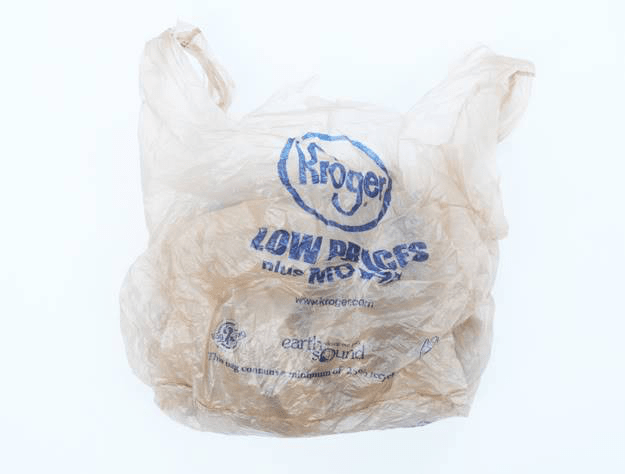
Attention, Shoppers: Kroger Says It Is Phasing Out Plastic Bags

(NPR) 
image.png

Kroger includes major chains such as Ralphs, Harris Teeter, Food 4 Less, Pick ‘n Save and, of course, Kroger. As of 2017, the company says it owns more than 2,700 supermarkets in 35 states and Washington, D.C.

That phase-out will start with the Seattle-based supermarket chain QFC, which should transition away from plastic by 2019.

“We listen very closely to our customers and our communities, and we agree with their growing concerns,” Mike Donnelly, Kroger’s executive vice president and COO, said in a statement. “That’s why, starting today at QFC, we will begin the transition to more sustainable options.”

What about straws? Are they getting rid of straws?

​Blue Mind science proves the health benefits of being by water

IMG_7649.jpg
(Quartz)

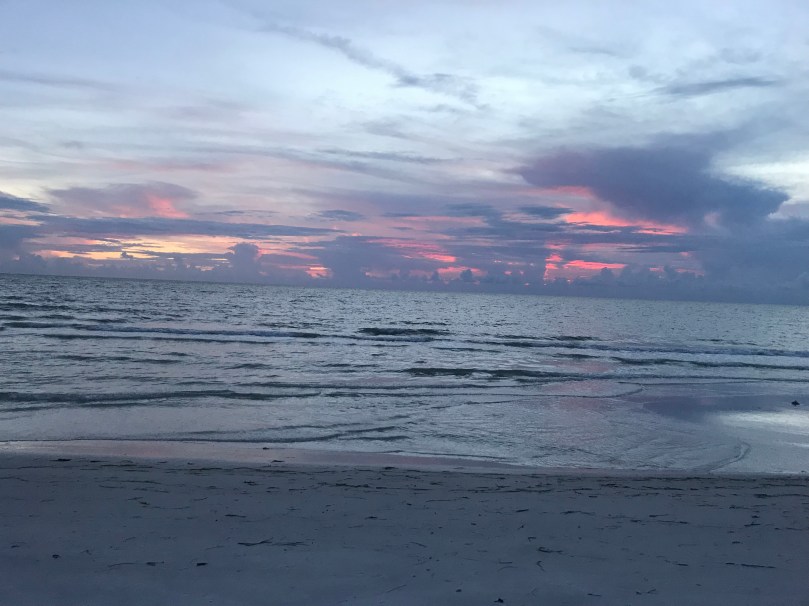
“People can experience the benefits of the water whether they’re near the ocean, a lake, river, swimming pool or even listening to the soothing sound of a fountain,” marine biologist and author of the 2014 book Blue Mind, Wallace Nichols, tells Quartz. ”Most communities are built near bodies of water not just for practical reasons, but because as humans, we’re naturally drawn to blue space…but even if you aren’t in an area where there is easy access to water, you can still experience [its] emotional benefits.”