
Category: Ecology
Microplastics found in 90 percent of table salt
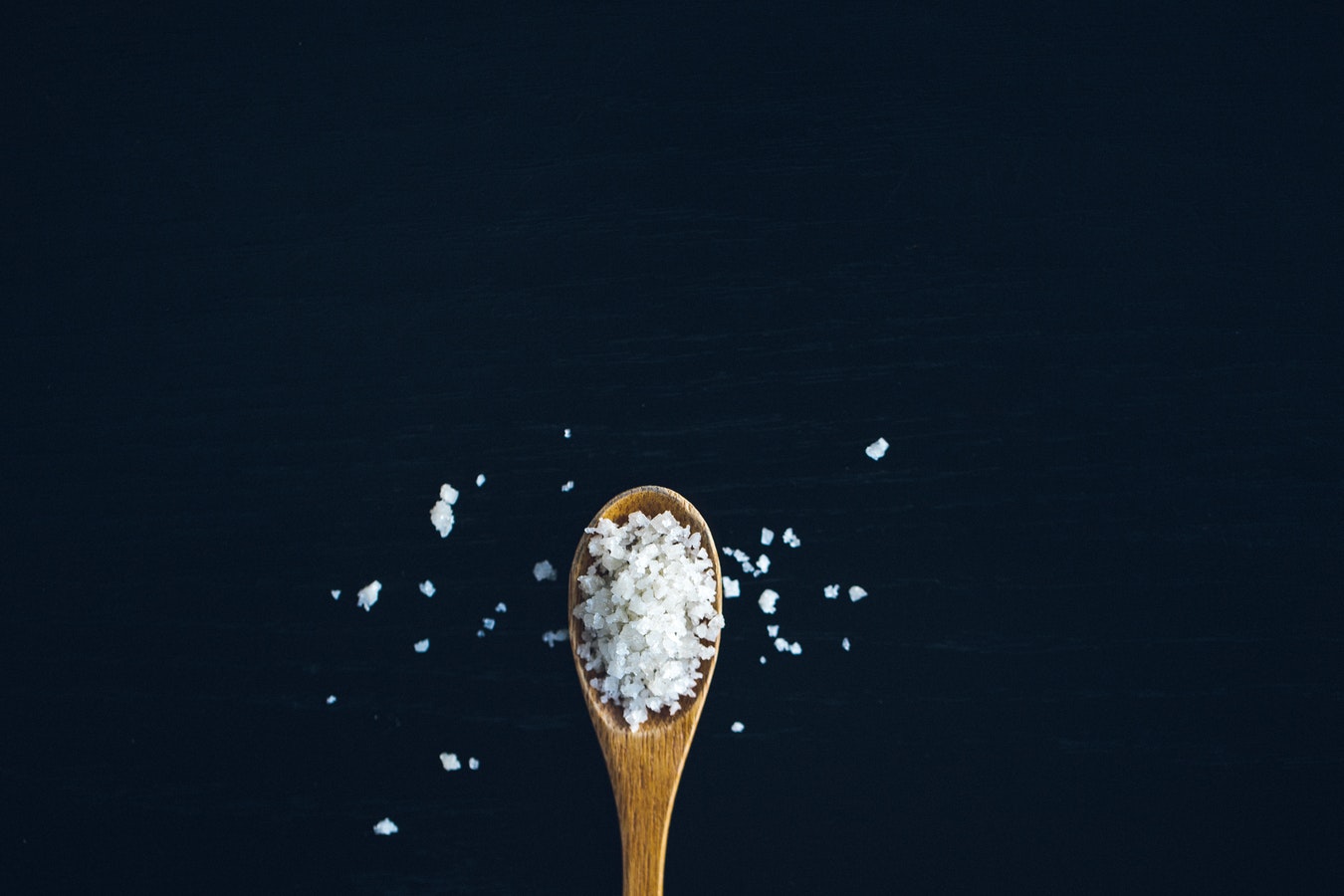
Microplastics were found in sea salt several years ago. But how extensively plastic bits are spread throughout the most commonly used seasoning remained unclear. Now, new research shows microplastics in 90 percent of the table salt brands sampled worldwide.
Sadly this probably not much worse than what many Americans are eating now anyway. I am still up for some sort of global ban on plastics.
“The findings suggest that human ingestion of microplastics via marine products is strongly related to emissions in a given region,” said Seung-Kyu Kim, a marine science professor at Incheon National University in South Korea.
What genuine, no-bullshit ambition on climate change would look like
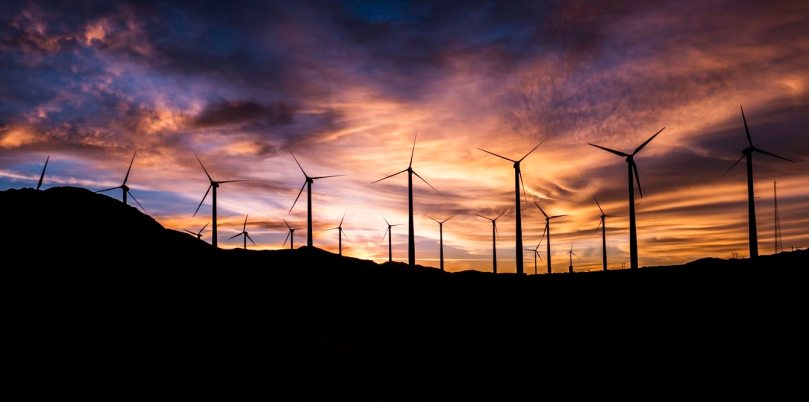
What would it take to really tackle climate change? No delays, no gimmicks, no loopholes, no shirking of responsibility — the real thing. What would it look like?
To answer that question, it helps to understand the upper threshold of climate ambition. The target agreed upon by the world’s nations in Paris in 2015 is global warming of “well below” 2 degrees Celsius, with good-faith efforts to hold temperature rise to 1.5 degrees.
Countries are not moving anywhere near fast enough to hit those targets, so we are currently on track for somewhere around 3 degrees. It is generally agreed that hitting 2 degrees would be quite ambitious, while hitting 1.5 would be nothing short of miraculous. Yet the scientists at the Intergovernmental Panel on Climate Change, in their latest report, are pleading with the world to go for it, because at this point, every fraction of a degree of warming matters.
This is what planetary deferred maintenance looks like.
A massive plastic cleanup project provokes hope and skepticism

In 2015, marine biologist Andrew Thaler raised concerns that the huge booms could attract or harm ocean-going animals. Earlier this year, shark researcher David Shiffman polled some fellow scientists about their concerns, and found that few believed the cleanup would solve more problems than it would cause.
When oceanographers Kim Martini and Miriam Goldstein reviewed a previous version of the system in 2014, they criticized the design’s resilience against ocean forces. Martini and Goldstein claimed the system carried a potential for failure in the storms that frequently roil the Pacific Ocean.
Others said that regardless of the system’s ability to safely collect trash from the ocean’s surface, it misses the real problems behind oceanic plastic.
Studies estimate that 60 to 70 percent of ocean plastic eventually sinks to the seafloor, far from a floating collection boom. Plastic trash has even been found in the Marianas Trench, the most remote and deepest part of the Pacific Ocean.
Let’s get rid of plastic. Global Ban. I’m serious.
Outdoor recreation is a large and growing percentage of U.S. economy

“OIA’s analysis shows that Americans spend $887 billion annually recreating outside,” Roberts said in a news release. “All of this data underscores that outdoor recreation is a significant and growing contributor to the U.S. economy—we strongly encourage members of Congress to invest in public lands as these numbers demonstrate the return on investment.”
The figure places the outdoor industry on the same level as other industries, if not larger. It’s heftier than oil and gas extraction (1.4 percent) and agriculture (1 percent).
Let’s go over that last point again: “It’s heftier than oil and gas extraction (1.4 percent) and agriculture (1 percent).”
Is Your Salad Habit Good for the Planet?

“That’s why I think Sweetgreen is taking off,” she said. “People don’t want to feel heavy because they want to feel productive.”
The trash cans, however, are getting very heavy indeed. Robert Buffolino, the general manager of American Recycling Management in Jamaica, Queens, said that it would be difficult to evaluate systematically whether the number of salad bowls in garbage cans had actually increased.
But if you were asking him anecdotally? “Yeah, sure, there’s been an increase. Just by sight and sound, sure.”
Moreover, “most waste occurs at the consumer level,” said Marc Bellemare, who directs the Center for International Food and Agricultural Policy at the University of Minnesota. “Restaurants and grocery stores don’t waste as much as consumers do.” He added, “most of what gets wasted is not frozen pizza, it’s not ice cream, it’s produce, it’s stuff that goes in salad. I suspect that the rise of those restaurants, my intuition is that those will mean the rise of food waste as well, because they sell this stuff to consumers, where the bulk of the losses tend to occur.”
It’s not just the food, it’s the food system.
FIRST IT WAS A HURRICANE. THEN PIG POOP. NOW IT’S COAL ASH
Coal ash is the irony part. Coal-fired power plants had to be located near the mountains that harbored the coal, and near the waterways that the power plants needed for coolant and water to boil to spin the turbines. “One of the consequences of burning coal is you get ash, and then you have to have something to do with it,” says Stan Meiburg, director of graduate studies in sustainability at Wake Forest University and a former EPA deputy administrator, both in DC and the Southeast. “The earliest practices were to put the ash right near the power plant.”
No irony to see here here, just a feedback loop of criminal environmental disregard.
Saturday is National Public Lands Day!
There are many ways to participate in National Public Lands Day.
- You can visit a national park for free
- You can take part in a volunteer work project.If you volunteer on this day, you will receive a fee-free day coupon to be used on a future date.
- You can share your favorite outdoor activity on social media channel with the hashtag #NPSVolunteer, #FindYourPark and #NPLD!
Go outside and play!
The White Castle Impossible Burger Is a Cult Hit. Now the Veggie Slider Is Going National
I think it is kinda cool and interesting that “vegetarian burgers” are going mainstream. At the same time, I can’t help thinking this is just more processed food. Be it Beyond Meat or The Impossible Burger these are both like super-processed food. I can’t think of a really healthy processed food? Why not just eat portabello burgers?
Utilities have a problem: the public wants 100% renewable energy, and quick
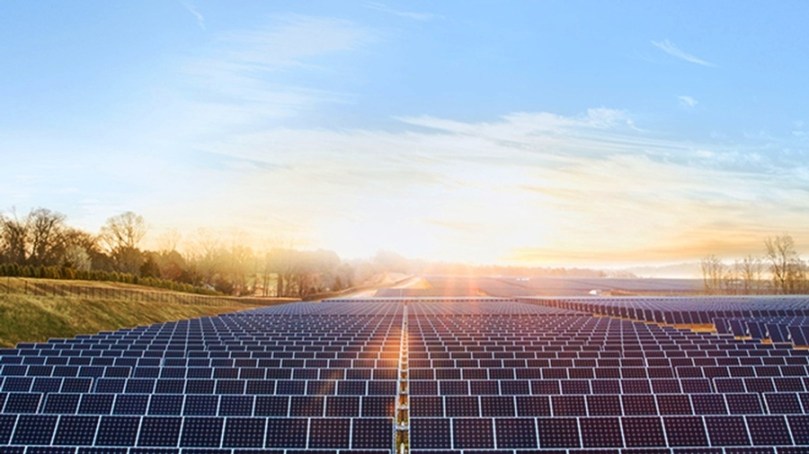
A majority of those surveyed (51 percent) believe that 100 percent renewables is a good idea even if it raises their energy bills by 30 percent.
That is wild. As anyone who’s been in politics a while knows, Americans don’t generally like people raising their bills, much less by a third. A majority that still favors it? That is political dynamite.
Insofar as utilities were in a public relations war over renewables, they’ve lost. They face a tidal wave.
Power To The People!!!!
 Dean’s List