Category: Arts and Culture
Fantasyland: How America Went Haywire
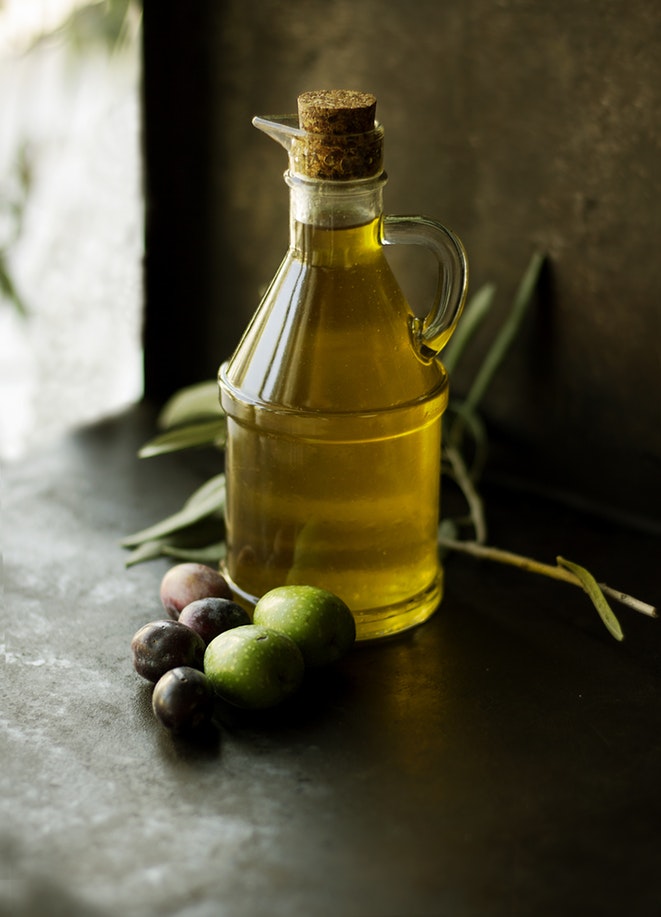
Warmed Olives Are A Gift From The Gods
(The Cut)
I have loved olives for as long as I can remember — thanks, mom. I have had most every variety at some point or another. Also, if you stuff a soft cheese into an olive invite me over. But it was not until five or six years ago that I had sauteed olives at a little wine bar in the Sea-Tac Airport. As this article suggests, I too discovered I had never really eaten olives optimally until that moment.
INSIDE THE ROOMS WHERE 20 FAMOUS BOOKS WERE WRITTEN
(Literary Hub)
“For our mutual enjoyment, Emily Temple presents the places where some of literature’s most beloved works were written: some beautiful, some dark, all apparently capable of inspiring greatness.”
That’s Twain in his “writing hut.” He’s not the first or last writer to have such a space. Michael Pollan talks about building his in A Place of My Own. They seem like nice spaces to hang out in. Huh?
Ken Burns Isn’t Mad
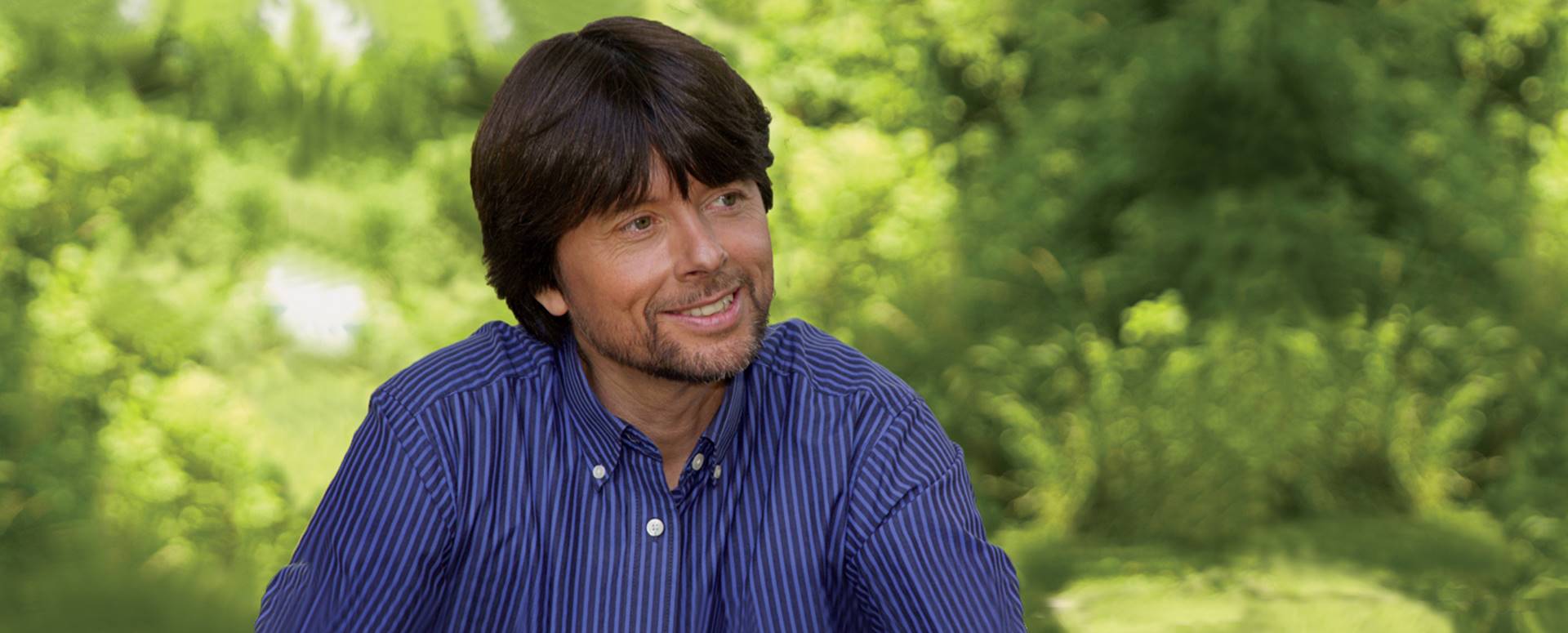
Well, I am glad someone isn’t mad. That’s a short list these days. Maxwell Strachan’s Tagline for this article is: “The “far, far left,” “far, far right” and “third- and fourth-rate academics” are all wrong about America’s most famous documentary filmmaker. Just ask him.” Maybe I am just being cranky but I am a little over the peanut gallery, be they peanuts from the left or right.
Ken Burns is probably the most successful documentary filmmaker in America. I would argue that he even changed the way documentaries are made. I am not saying this because Apple made a filter called the Ken Burns effect and didn’t need explanation. I am talking about how he created these long multipart narratives. There wasn’t a lot of that before Burns and he is still probably the singular most pervasive talent employing this technique. Also the longer Ken Burns has been around the more other documentaries start to look like his.
While it’s completely fair to critique Burns or any other artist, the sort of blanket attack that Strachan and Burns are discussing just make me want to roll my eyes and issue one of two responses. (1) I understand you have a different point of view but can you make it without comparing him to Leni Riefenstahl. (2) Maybe you should make your own beautifully written and filmed documentary to set us all straight. Oh, you don’t want to do that? Why don’t you sit down and eat some popcorn while we watch Episodes I – III of Star Wars. Sshhh!
Dishwalla – Counting Blue Cars
The Oracle of Oyster River
The old logging road near the Oyster River was made to haul away timber when the land was logged back in 1931. Today, it is surrounded by rainforest towering up to 38 meters high. The hermit-priest still at work here is older than all of these trees. Recently, Brandt enlisted the help of the Comox Valley Land Trust to help him save this forest as a place where people can come to commune with the natural world. He has also established the Hermitage Advisory Committee to ensure that Merton House remains a refuge for another hermit, contemplatives from other religious traditions, writers, naturalists, or others in need of solitude for their work.
This guy puts the “Awe” in “Awesome!”
Jack Kornfield in conversation with Dan Siegel at Live Talks Los Angeles
The Lie of Little Women
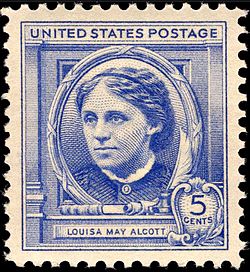
Alcott herself took a more skeptical view of her enterprise. She was reluctant to try her hand at a book for girls, a kind of writing she described later in life as “moral pap for the young.” Working on it meant exploring the minds and desires of youthful females, a dismal prospect. (“Never liked girls or knew many,” she wrote in her diary, “except my sisters.”) While writing Little Women, Alcott gave the fictional Marches the same nickname she used for her own tribe: “the Pathetic Family.” By the final chapter of Jo’s Boys, the second of two novels that followed Little Women, Alcott didn’t try to hide her fatigue with her characters, and with her readers’ insatiable curiosity about them. In a blunt authorial intrusion, she declared that she was tempted to conclude with an earthquake that would engulf Jo’s school “and its environs so deeply in the bowels of the earth that no [archaeologist] could ever find a vestige of it.”
Why now? Why is this piece being published in The Atlantic now? Something feels afoot here.
 Dean’s List