
The decline of book reading may have costly implications for cognition and social skills

The bill, which the Congressional Budget Office projects would save taxpayers $9 million, enjoys broad support in the House. The lower chamber is poised to take it up after the mid-February recess, and White House officials have indicated privately that the president will sign it.
The measure protects 1.3 million acres as wilderness, the nation’s most stringent protection, which prohibits even roads and motorized vehicles. It permanently withdraws more than 370,000 acres of land from mining around two national parks, including Yellowstone, and permanently authorizes a program to spend offshore-drilling revenue on conservation efforts.
This is even more amazing then Mitch McConnell’s efforts to legalize hemp.


Now, nearly 150 years later, a new generation of biologists is reviving Darwin’s neglected brainchild. Beauty, they say, does not have to be a proxy for health or advantageous genes. Sometimes beauty is the glorious but meaningless flowering of arbitrary preference. Animals simply find certain features — a blush of red, a feathered flourish — to be appealing. And that innate sense of beauty itself can become an engine of evolution, pushing animals toward aesthetic extremes. In other cases, certain environmental or physiological constraints steer an animal toward an aesthetic preference that has nothing to do with survival whatsoever.
New York Times
(To The Best of Our Knowledge)
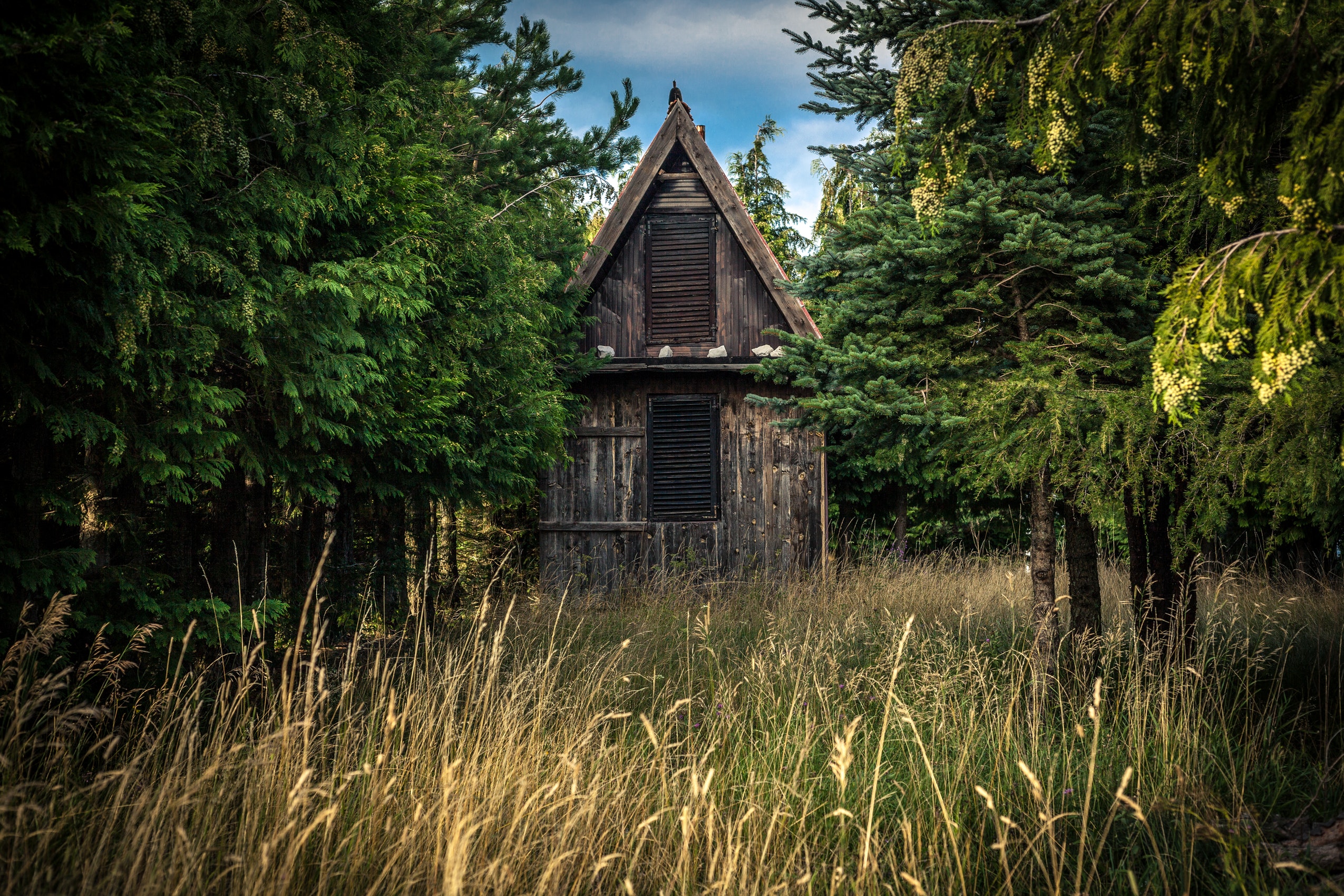
Howard Axelrod was accidentally blinded in one eye in a freak accident when he was in college. Disoriented and depressed, he retreated to an off-the-grid cabin in the Vermont wilderness. He stayed there, alone, for two years. His memoir about his period of renunciation, “The Point of Vanishing,” was named one of the top ten memoirs and a best book of the year.
 Dean’s List