A good friend turned me on to this the other day.
Not being a watcher of television I missed this.
That’s Alan Watts speaking 😉
Author: Dr. Dean
Walking on sunshine
Thoreau, February 1, 1857
3 P. M. – Down railroad.
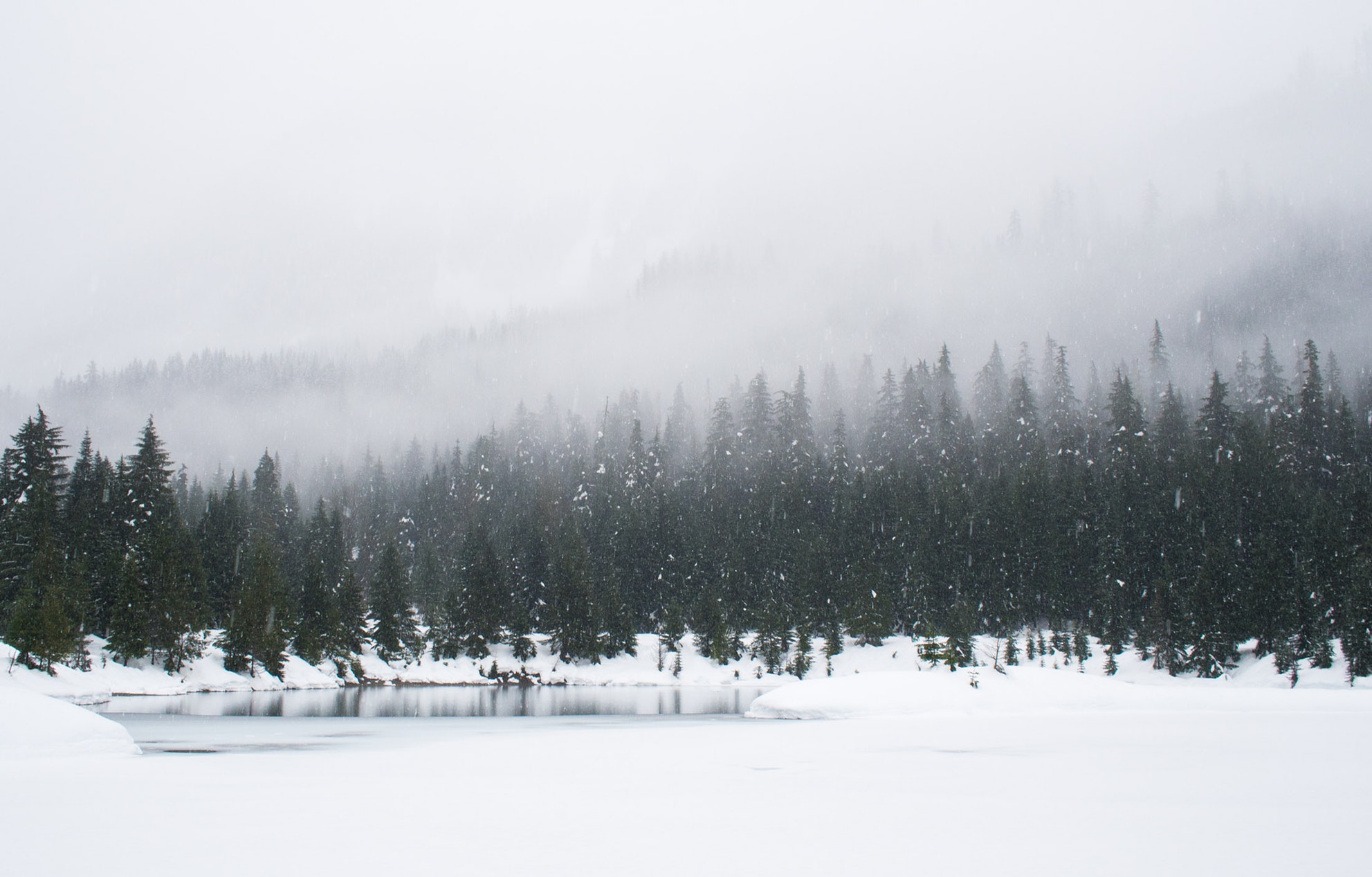
Thermometer at 42 degrees. Warm as it is, I see a large flock of snow buntings on the railroad causeway. Their wings are white above next the body, but black or dark beyond and on the back. This produces that regular black and white effect when they fly past you.
A laborer on the railroad tells me it is Candlemas Day (February 2d) to-morrow and the winter half out. “Half your wood and half your hay,” etc., etc.; and, as that day is, so will be the rest of winter.
The zero-waste movement is coming for your garbage
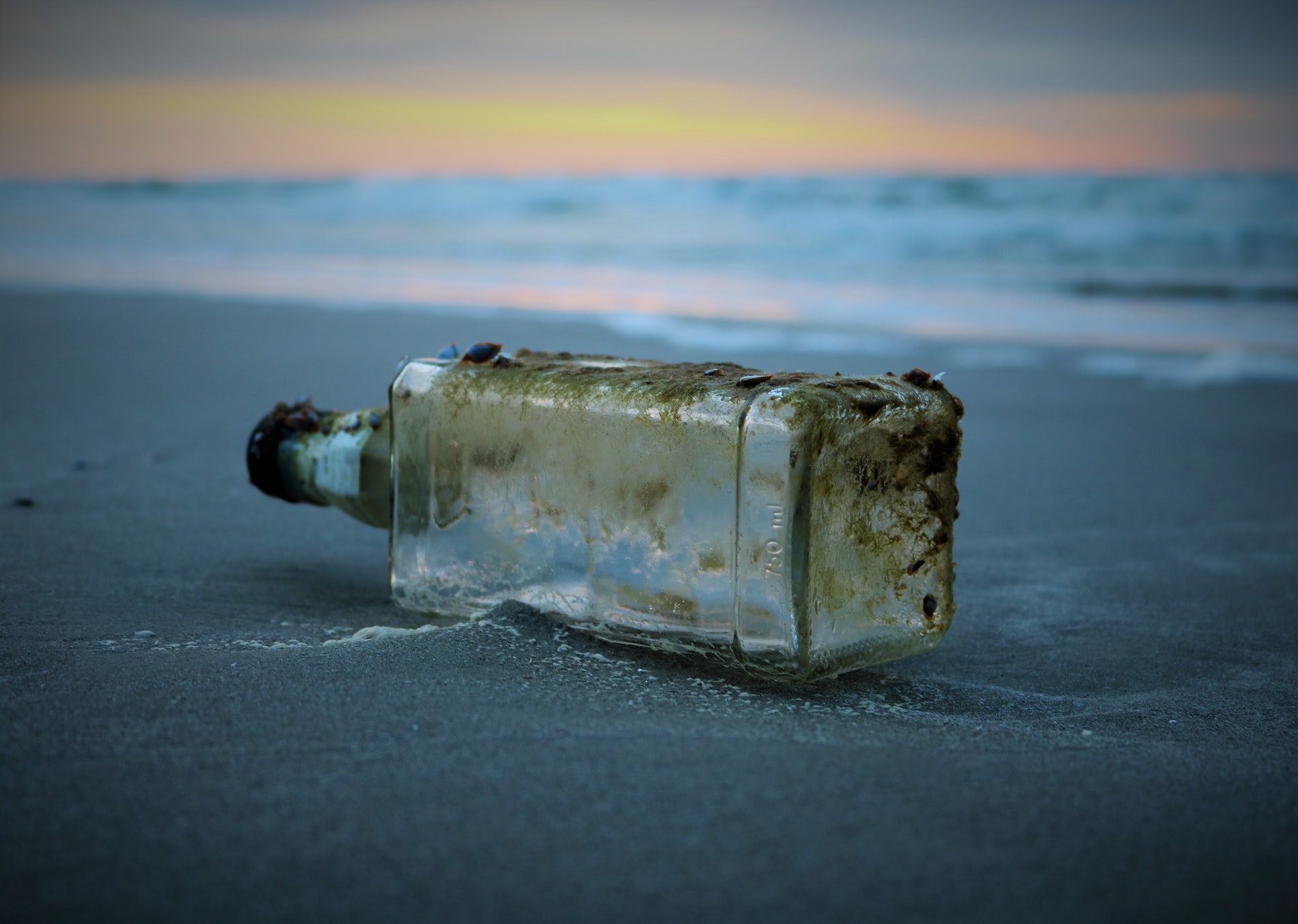
It’s no coincidence that the popularity of zero-waste lifestyles happens to coincide with mounting evidence that climate change will be the defining event of this century. We’ve also only just begun to seriously research the effect of the staggering amount of plastic in our oceans — the first comprehensive count of it by Science just three years ago reported anywhere between 4.7 and 12.8 million metric tons of ocean plastic. Plastic, in modern life, is nearly inescapable — simply washing our clothing, about 60 percent of which is now made of synthetic plastic fibers — releases hundreds of thousands of fibers into the water supply. Waste on dry land isn’t any better: The Environmental Protection Agency estimates that 23 percent of landfill waste comes from packaging and containers.
Vox
First, they came for the styrofoam, and I did not speak out—because man oh man I hate styrofoam.
Thoreau, January 24, 1855
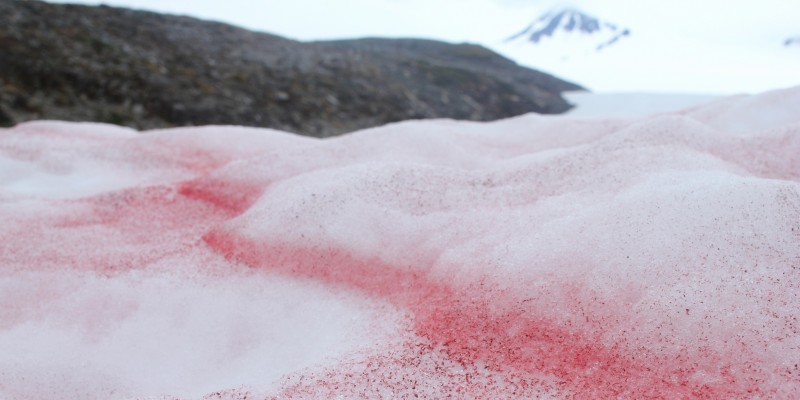
I was surprised to find the ice in the middle of the last pond a beautiful delicate rose-color for two or three rods, deeper in spots. It reminded me of red snow, and may be the same. I tried to think it the blood of wounded muskrats, but it could not be. It extended several inches into the ice, at least, and had been spread by the flowing water recently. As for vegetable pigments, there were button-bushes in and about it. It was this delicate rose tint, with internal bluish tinges like mother-o/-pearl or the inside of a conch. It was quite conspicuous fifteen rods off, and the color of spring-cranberry juice. This beautiful blushing ice! What are we coming to?
Thoreau, (main journal) January 24, 1855
Bison are back, and that benefits many other species on the Great Plains

Studies . . . have shown that bison-induced changes in vegetation composition and quality grazing can increase the abundance and diversity of birds and insects in tallgrass prairies. Bison also affect their environment by wallowing – rolling on the ground repeatedly to avoid biting insects and shed loose fur. This creates long-lasting depressions that further enhance plant and insect diversity, because they are good habitats for plant and animal species that are not found in open areas of the prairie. In contrast, cattle do not wallow, so they do not provide these benefits.
The Conversation
Listening to the World with Mary Oliver

John Muir, The Unruly Mystic
Thoreau: 7 January 1852
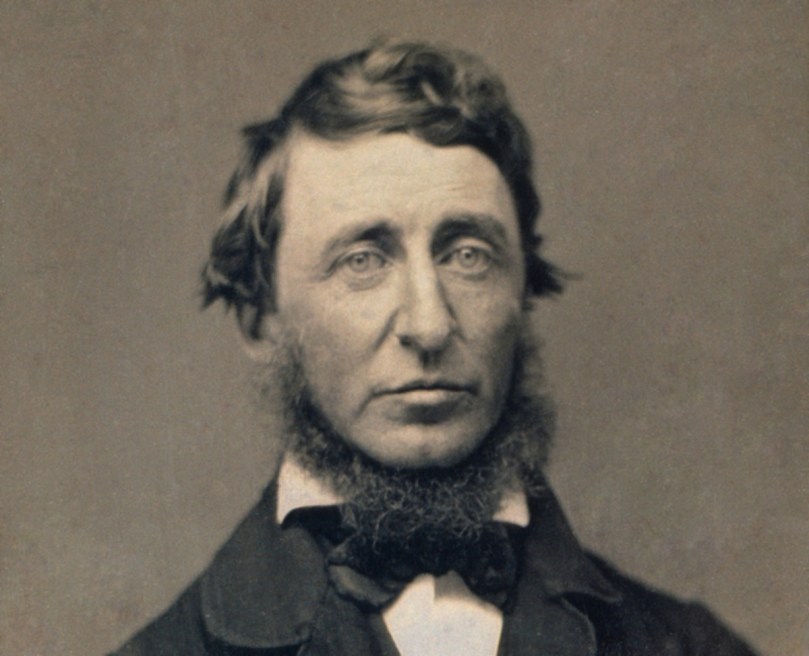
“It appears to me that at a very early age—the mind of man—perhaps at the same time with his body, ceases to be elastic. His intellectual power becomes something defined —& limited. He does not think as expansively as he would stretch himself in his growing days—What was flexible sap hardens into heartwood and there is no further change. In the season of youth methinks man is capable of intellectual effort 8c performance which surpasses all rules 8c bounds—As the youth lays out his whole strength without fear or prudence 8c does not feel his limits. It is the transition from poetry to prose. The young man can run 8c leap—he has not learned exactly how far—he knows no limits—The grown man does not exceed his daily labor. He has no strength to waste.
17 January 1852, Journal 4: 265-66
How Beauty Is Making Scientists Rethink Evolution

Now, nearly 150 years later, a new generation of biologists is reviving Darwin’s neglected brainchild. Beauty, they say, does not have to be a proxy for health or advantageous genes. Sometimes beauty is the glorious but meaningless flowering of arbitrary preference. Animals simply find certain features — a blush of red, a feathered flourish — to be appealing. And that innate sense of beauty itself can become an engine of evolution, pushing animals toward aesthetic extremes. In other cases, certain environmental or physiological constraints steer an animal toward an aesthetic preference that has nothing to do with survival whatsoever.
New York Times
Arborists Have Cloned Ancient Redwoods From Their Massive Stumps
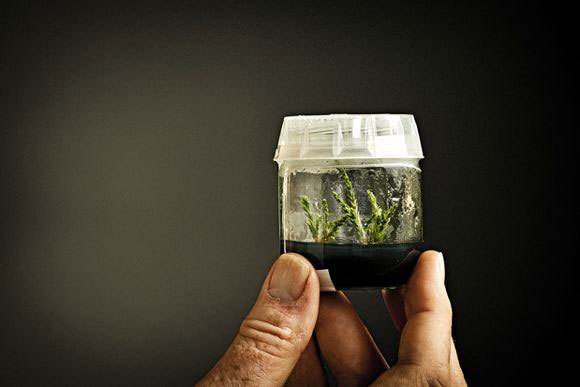
A team of arborists has successfully cloned and grown saplings from the stumps of some of the world’s oldest and largest coast redwoods, some of which were 3,000 years old and measured 35 feet in diameter when they were cut down in the 19thand 20th centuries. Earlier this month, 75 of the cloned saplings were planted at the Presidio national park in San Francisco.
The initiative is run by the Archangel Ancient Tree Archive, a nonprofit working to reestablish ancient redwood forests to help combat climate change. Coastal redwoods, which can grow an average 10 feet per year, sequester 250 tons of carbon dioxide from the atmosphere over their lives, compared to 1 ton for an average tree.
 Dean’s List