
Almost all “wild rice” is cultivated, but the real thing grows freely on the lakes of northern Minnesota
— Read on www.saveur.com/true-story-wild-rice-north-americas-most-misunderstood-grain/
Almost all “wild rice” is cultivated, but the real thing grows freely on the lakes of northern Minnesota
— Read on www.saveur.com/true-story-wild-rice-north-americas-most-misunderstood-grain/

Twenty-three years since, when I was five years old, I was brought from Boston to this pond, away in the country,—which was then but another name for the extended world for me,—one of the most ancient scenes stamped on the tablets of my memory, the oriental Asiatic valley of my world, whence so many races and inventions have gone forth in recent times. That woodland vision for a long time made the drapery of my dreams . . . Somehow or other it at once gave the preference to this recess among the pines, where almost sunshine and shadow were the only inhabitants that varied the scene, over that tumultuous and varied city, as if it had found its proper nursery. Well, now, to-night my flute awakes the echoes over this very water, but one generation of pines has fallen, and with their stumps I have cooked my supper, and a lusty growth of oaks and pines is rising all around its brim and preparing its wilder aspect for new infant eyes.

A man must find his own occasion in himself. The natural day is very calm, and will hardly reprove our indolence. If there is no elevation in our spirits, the pond will not seem elevated like a mountain tarn, but a low pool, a silent muddy water, a place for fishermen.
“There is no such thing as pure objective observation. Your observation, to be interesting, i.e. to be significant, must be subjective. The sum of what the writer of whatever class has to report is simply some human experience…. The man of most science is the man most alive. (May 6, 1854)”

The naturalist accomplishes a great deal by patience, more perhaps than by activity. He must take his position, and then wait and watch. It is equally true of quadrupeds and reptiles. Sit still in the midst of their haunts.
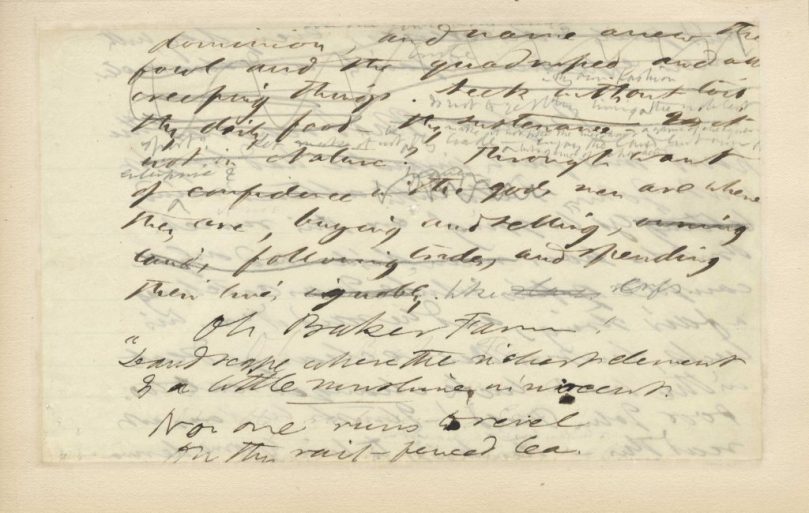
I wish my townsmen to consider that, whatever the human law may be, neither an individual nor a nation can ever deliberately commit the least act of injustice without having to pay the penalty for it. A government which deliberately enacts injustice, and persists in it! – it will become the laughing-stock of the world.
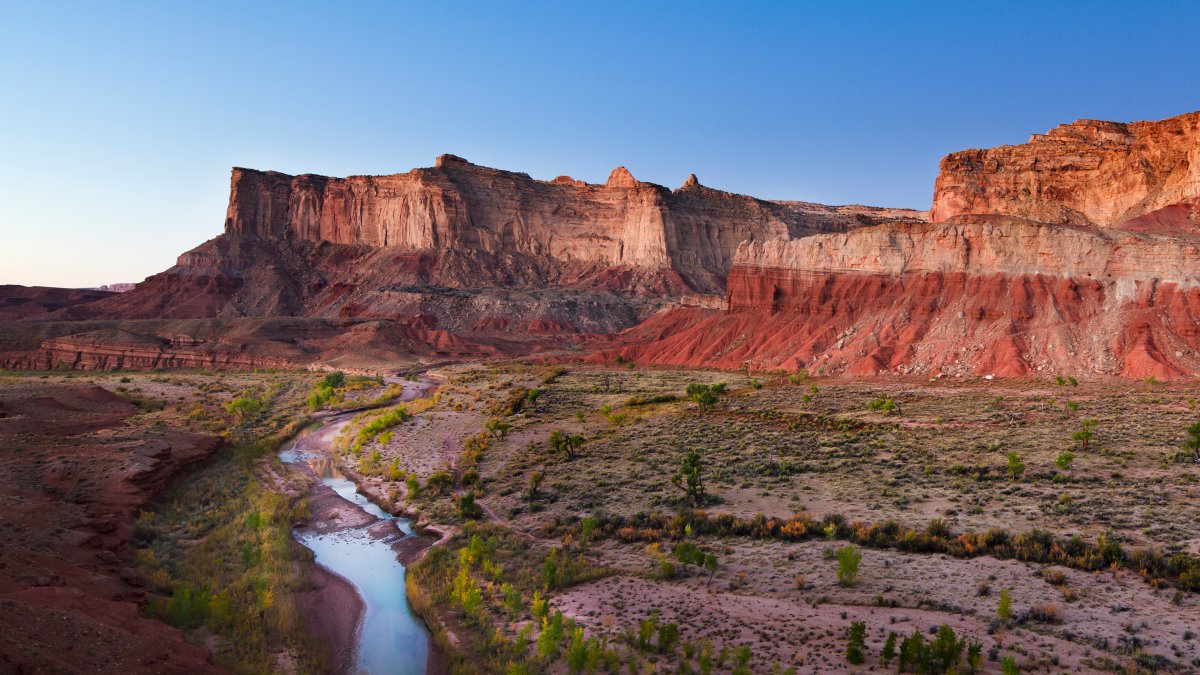
The 662-page bill is a conglomeration of some 100 pieces of legislation. Though it was largely championed by western lawmakers like senators Lisa Murkowski of Alaska and Ron Wyden of Oregon, the bill does provide conservation benefits for every state through the LWCF, which helps federal agencies, states, and local communities purchase land for parks and access to open spaces. That’s why experts believe it has been the rare issue with bipartisan agreement during the Trump administration. As with all large congressional bills, however, the National Resources Management Act is an act of compromise that leaves some wary of its effects.
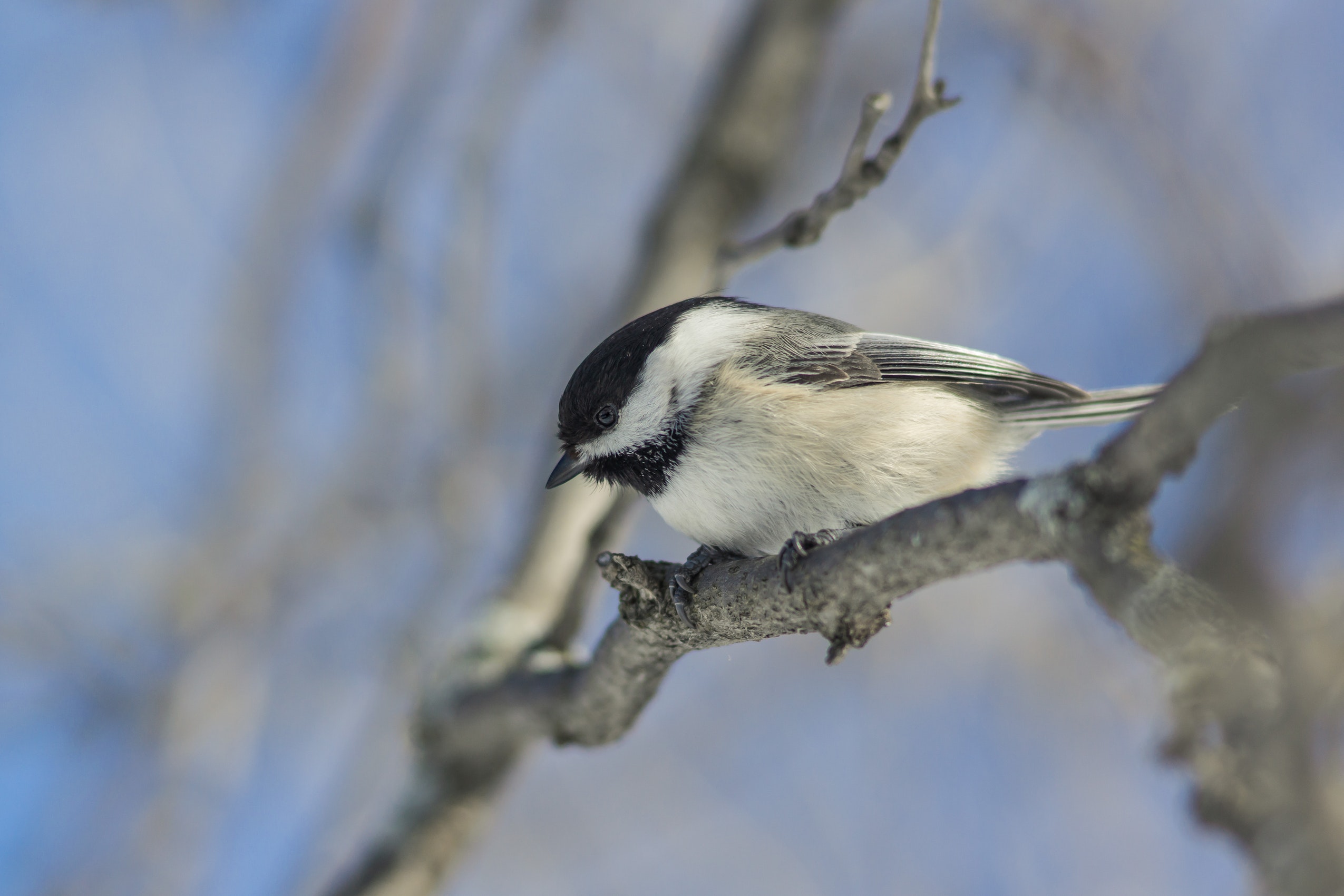
The scream of the jay is a true winter sound. It is wholly without sentiment, and in harmony with winter. I stole up within five or six feet of a pitch pine behind which a downy woodpecker was pecking. From time to time he hopped round to the side and observed me without fear. They are very confident birds, not easily scared, but incline to keep the other side of the bough to you, perhaps.

Studies . . . have shown that bison-induced changes in vegetation composition and quality grazing can increase the abundance and diversity of birds and insects in tallgrass prairies. Bison also affect their environment by wallowing – rolling on the ground repeatedly to avoid biting insects and shed loose fur. This creates long-lasting depressions that further enhance plant and insect diversity, because they are good habitats for plant and animal species that are not found in open areas of the prairie. In contrast, cattle do not wallow, so they do not provide these benefits.
The Conversation


 Dean’s List